
Understanding the Basics of Marketing Strategies
Marketing strategies are essential for connecting with your target audience and achieving business goals. They involve a series of actions designed to promote products or services effectively. By understanding the basics, businesses can create tailored approaches that resonate with their audience. This section will delve into the foundational elements of marketing strategies, including market research, segmentation, and positioning.
The Role of Market Research
Market research is the backbone of any successful marketing strategy. It involves gathering, analyzing, and interpreting information about a market, including information about potential customers and competitors. This process helps businesses understand their target audience's needs, preferences, and behaviors, enabling them to create more effective marketing plans. Comprehensive market research can lead to better product development and more targeted marketing efforts.
Segmentation and Targeting
Segmentation involves dividing a market into distinct groups of buyers with different needs, characteristics, or behaviors. By identifying these segments, businesses can tailor their marketing efforts to meet the specific needs of each group. Targeting involves selecting one or more segments to focus on, allowing for more personalized and effective marketing communications. This strategy helps in optimizing marketing resources and improving conversion rates.
Positioning Your Brand
Brand positioning is about creating a unique image of your brand in the minds of your target audience. It involves differentiating your brand from competitors by highlighting its unique benefits and values. Effective positioning requires a deep understanding of the market landscape and your competitors. By clearly defining your brand's position, you can create a strong brand identity that resonates with consumers and builds loyalty.
Crafting a Compelling Value Proposition
A value proposition is a statement that clearly communicates the benefits a consumer will receive by choosing your product or service. It answers the question, 'Why should I buy from you?' A compelling value proposition should be clear, concise, and customer-focused. It should address the specific needs of your target audience and differentiate your offering from competitors. Crafting a strong value proposition is critical for attracting and retaining customers.
Integrating Digital Marketing
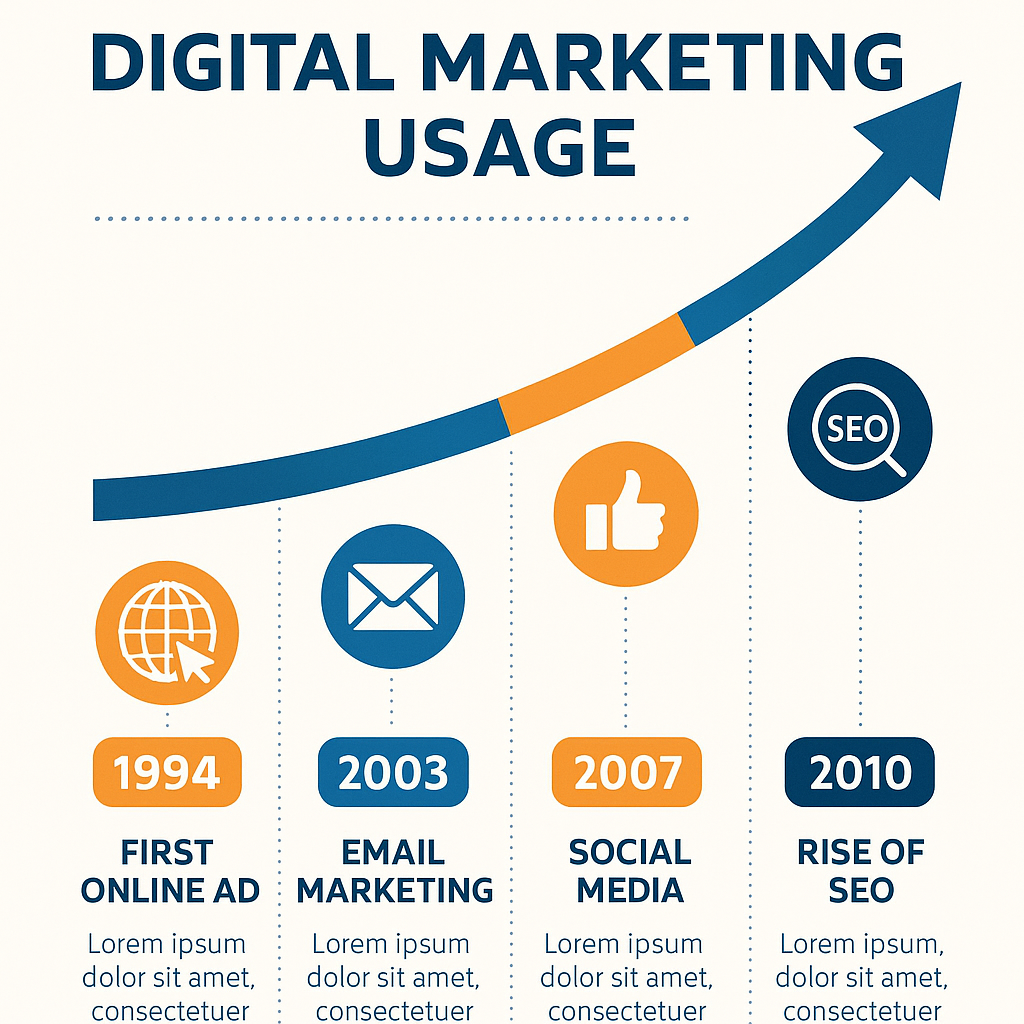
Digital marketing has become an integral part of modern marketing strategies. It encompasses various online channels such as social media, email, and search engines. By leveraging digital marketing, businesses can reach a wider audience, engage with customers in real-time, and measure the effectiveness of their campaigns. This section will explore the different digital marketing tactics available and how to integrate them into your overall strategy.
Content Marketing and Its Impact
Content marketing involves creating and distributing valuable, relevant, and consistent content to attract and retain a clearly defined audience. It is a strategic approach focused on building strong relationships with potential and existing customers. By providing valuable content, businesses can establish themselves as industry leaders and build trust with their audience. This section will discuss the importance of content marketing and how to execute it effectively.
Leveraging Social Media Platforms
Social media platforms offer businesses an opportunity to engage with their audience on a personal level. By creating and sharing content on platforms like Facebook, Instagram, and Twitter, businesses can increase brand awareness, drive traffic to their website, and generate leads. This section will cover best practices for using social media as part of your marketing strategy, including choosing the right platforms and creating engaging content.
Data-Driven Marketing Decisions
Data-driven marketing involves using data to inform and optimize marketing decisions. By analyzing customer data, businesses can gain insights into customer behavior, preferences, and trends. This information can be used to personalize marketing efforts, improve customer experiences, and increase ROI. In this section, we will explore the tools and techniques for collecting and analyzing marketing data.
Building Long-Term Customer Relationships
Building long-term relationships with customers is essential for sustained business success. It involves creating value beyond the initial purchase, such as providing excellent customer service, offering loyalty programs, and engaging with customers through personalized communication. This section will discuss strategies for nurturing customer relationships and turning one-time buyers into loyal brand advocates.