Introduction to Multimedia
Multimedia is the combination of different content forms such as text, audio, images, animations, video, and interactive content. The integration of these elements creates a more engaging and informative experience for users. In the digital era, multimedia is used extensively in various domains including education, entertainment, marketing, and communication.
The Evolution of Multimedia
From the early days of radio and television to the modern internet era, multimedia has evolved significantly. Initially, multimedia was limited to static images and basic audio-visual content. However, with technological advancements, it now encompasses interactive and immersive elements such as virtual reality and augmented reality. This evolution has expanded the possibilities for content creators and consumers alike.
Types of Multimedia
Multimedia can be categorized into several types including linear and non-linear multimedia. Linear multimedia, such as a movie, progresses without the need for user interaction. Non-linear multimedia, like a video game, requires user input to proceed. Each type has its own unique applications and benefits, depending on the intended use and audience.
The Role of Multimedia in Education
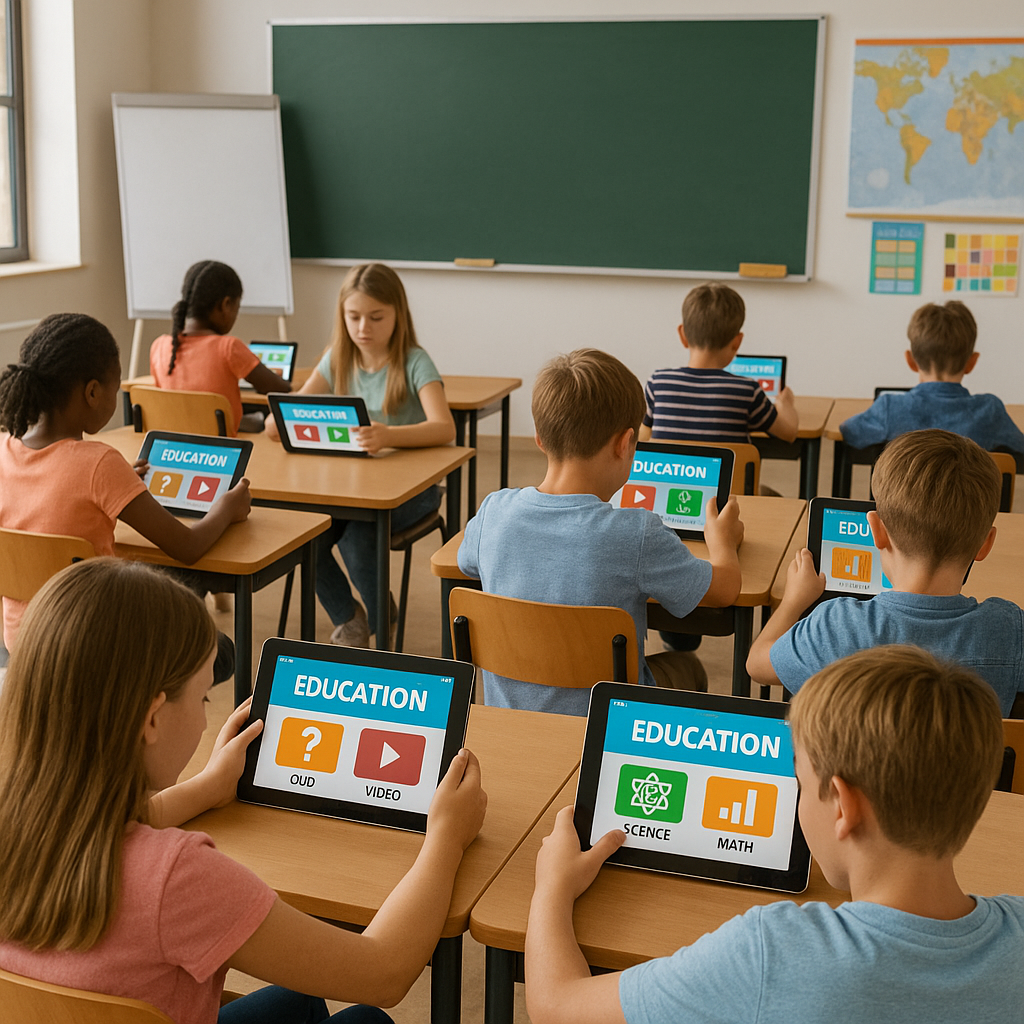
In education, multimedia plays a critical role in enhancing learning experiences. It allows educators to present complex information in a more digestible format. Interactive multimedia tools, such as educational games and simulations, engage students and facilitate better understanding and retention of knowledge. As a result, multimedia has become an essential component of modern educational strategies.
Impact of Multimedia on Marketing
In marketing, multimedia content is used to capture the attention of potential customers and communicate brand messages effectively. Videos, infographics, and interactive content can convey complex ideas quickly and memorably. The use of multimedia in marketing campaigns has been shown to increase engagement rates and conversion rates, making it a valuable tool for businesses.
Challenges in Multimedia Creation
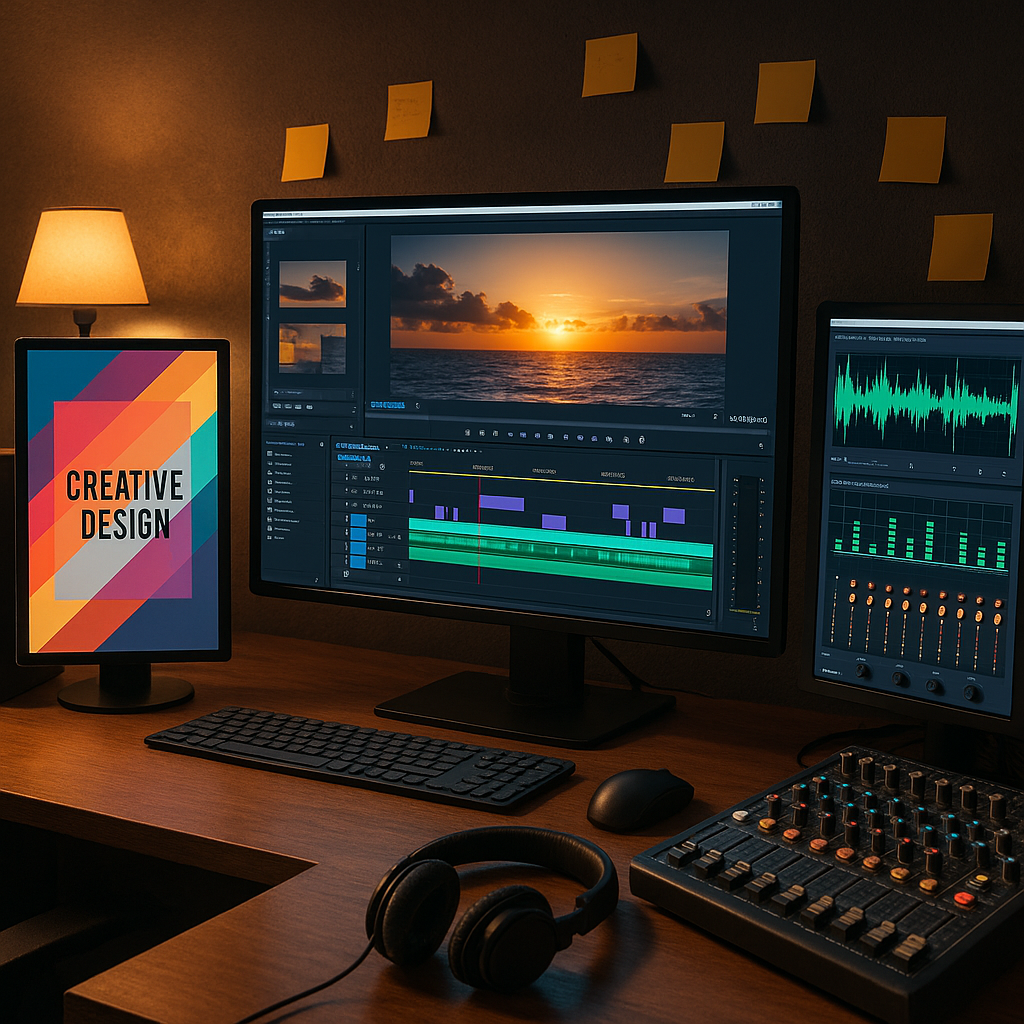
Despite its benefits, creating multimedia content comes with challenges. It requires a combination of technical skills and creativity. Additionally, there are considerations regarding file sizes, compatibility, and accessibility. Ensuring that multimedia content is accessible to all users, including those with disabilities, is a legal and ethical responsibility for content creators.
Ethical Considerations in Multimedia
Ethical issues in multimedia involve the use of copyrighted material, privacy concerns, and the potential for misinformation. Content creators must navigate these issues carefully to maintain integrity and credibility. It is important to respect intellectual property rights and ensure that multimedia content is used responsibly and ethically.
Future Trends in Multimedia
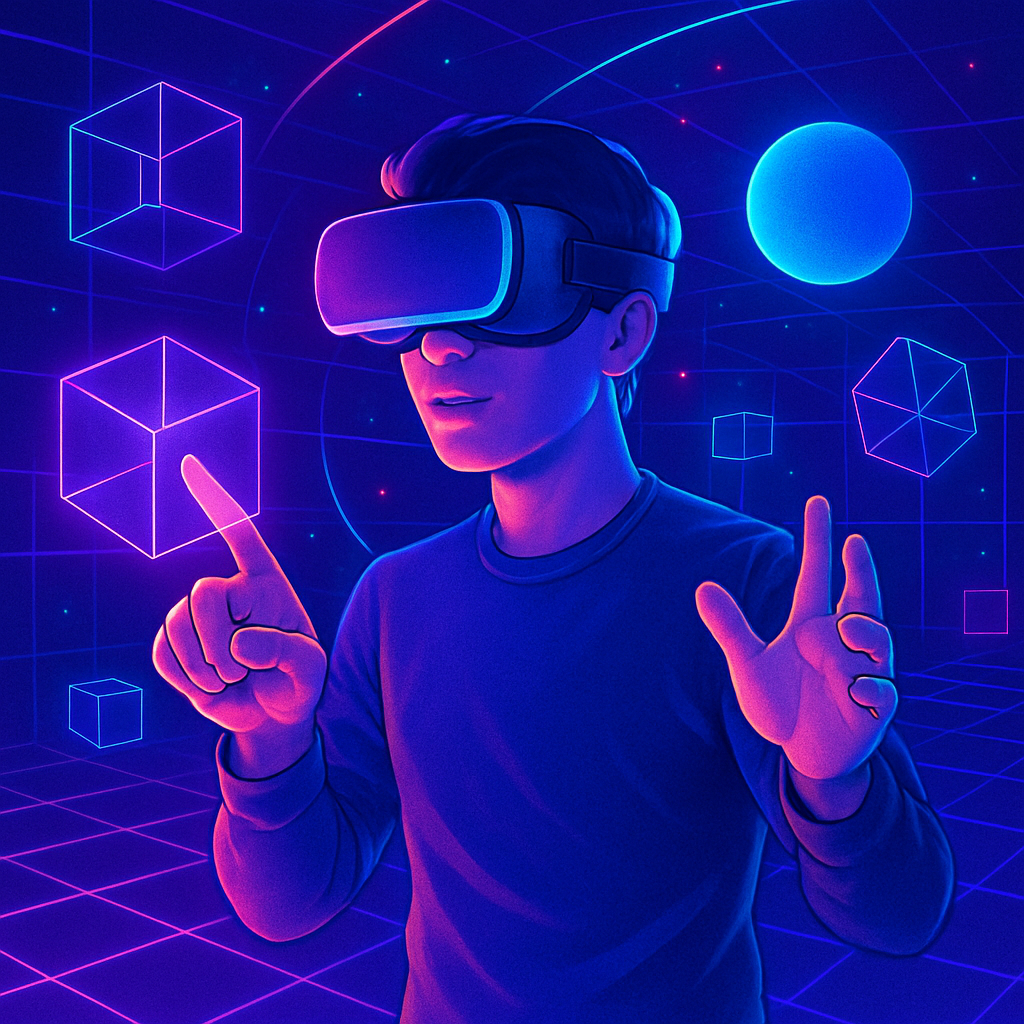
The future of multimedia looks promising with advancements in technology. Trends such as virtual reality, augmented reality, and artificial intelligence are set to redefine multimedia experiences. These technologies promise to create more immersive and interactive environments, providing users with unprecedented levels of engagement and interaction.
Multimedia in Entertainment
In entertainment, multimedia offers a richer experience for audiences. From interactive storytelling to live streaming, multimedia has expanded the ways in which audiences engage with content. The integration of multimedia elements in entertainment has not only enhanced the viewing experience but also opened up new avenues for creative expression.
Conclusion
Multimedia is a powerful tool that enhances digital experiences across various fields. By integrating different media forms, it creates more engaging, informative, and interactive content. As technology continues to advance, the role of multimedia will only grow, offering new opportunities for innovation and creativity. Understanding and harnessing the power of multimedia is essential for anyone looking to succeed in the digital landscape.