
Understanding the Basics of Construction Project Tracking
Construction project tracking is the systematic approach to monitoring and controlling the progress of a construction project. It involves the use of various tools and techniques to ensure that the project is completed on time, within budget, and to the required quality standards. The process begins with the development of a detailed project plan that outlines the scope, schedule, and budget of the project. This plan serves as the baseline against which progress is measured. Regular tracking and reporting help identify any deviations from the plan, allowing for timely corrective actions.
Effective project tracking requires a combination of technical skills and managerial expertise. Project managers must be able to interpret data from various sources, including schedules, budgets, and quality reports. They must also be adept at communicating with stakeholders to ensure that everyone is informed of the project's status and any issues that may arise. The use of technology, such as project management software, can greatly enhance the efficiency and accuracy of project tracking.
Essential Tools and Software for Construction Project Management
In today's digital age, construction project managers have access to a wide range of tools and software that can streamline the project tracking process. These tools offer features such as real-time data collection, automated reporting, and collaboration platforms that facilitate communication among team members. Popular project management software includes Procore, PlanGrid, and Autodesk BIM 360, each offering unique features tailored to the needs of construction projects.
Choosing the right software depends on the specific requirements of the project and the preferences of the project team. Factors to consider include ease of use, integration with other systems, and the ability to customize features to suit the project's needs. Additionally, training and support are crucial to ensure that the project team can effectively use the software to track progress and manage risks.
Developing a Robust Project Schedule
A well-defined project schedule is the backbone of effective construction project tracking. It outlines the sequence of activities, their durations, and the resources required to complete each task. The schedule serves as a roadmap for the project team, guiding them through each phase of the construction process. Developing a robust schedule involves breaking down the project into manageable tasks, estimating the time and resources needed for each task, and identifying dependencies between tasks.
Project managers use various techniques, such as the Critical Path Method (CPM) and the Program Evaluation and Review Technique (PERT), to develop and analyze project schedules. These techniques help identify the critical path, which is the sequence of tasks that determines the project's duration. By focusing on the critical path, project managers can prioritize tasks and allocate resources effectively to ensure that the project stays on track.
Risk Management and Mitigation Strategies
Risk management is a critical component of construction project tracking. It involves identifying potential risks that could impact the project's success and developing strategies to mitigate these risks. Common risks in construction projects include delays, cost overruns, and quality issues. Effective risk management requires a proactive approach, with regular risk assessments and contingency planning.
Project managers use various tools and techniques to manage risks, including risk registers, risk matrices, and Monte Carlo simulations. These tools help identify, assess, and prioritize risks, allowing project managers to allocate resources and develop contingency plans to address potential issues. Regular risk reviews and updates ensure that the project team is prepared to respond to any changes in the project's risk profile.
The Role of Communication in Project Tracking
Effective communication is essential for successful construction project tracking. It ensures that all stakeholders are informed of the project's status, any issues that arise, and the actions being taken to address them. Communication channels include regular project meetings, status reports, and collaboration platforms that facilitate information sharing among team members.
Project managers must develop a communication plan that outlines the frequency, format, and content of project communications. This plan should be tailored to the needs of the project and the preferences of the stakeholders. Regular communication helps build trust and collaboration among team members, ensuring that everyone is working towards the same goals.
Analyzing and Improving Project Performance
Project performance analysis involves evaluating the project's progress against the baseline plan and identifying areas for improvement. This analysis helps project managers identify trends, patterns, and potential issues that could impact the project's success. Key performance indicators (KPIs), such as schedule variance, cost variance, and quality metrics, are used to measure project performance.
Project managers use various tools and techniques to analyze project performance, including earned value management (EVM), root cause analysis, and benchmarking. These tools help identify the underlying causes of performance issues and develop strategies to address them. Continuous improvement is a key principle of effective project management, ensuring that lessons learned from past projects are applied to future projects.
Implementing Lean Construction Principles
Lean construction is an approach that focuses on maximizing value and minimizing waste in construction projects. It involves the application of lean principles, such as value stream mapping, continuous improvement, and pull-based scheduling, to the construction process. Lean construction aims to improve project efficiency, reduce costs, and enhance quality.
Implementing lean construction principles requires a cultural shift within the project team, with a focus on collaboration, transparency, and accountability. Project managers must engage with stakeholders to identify value-adding activities and eliminate waste. Regular training and workshops can help the project team develop the skills and mindset needed to implement lean construction principles effectively.
The Importance of Quality Assurance in Project Tracking
Quality assurance is a critical aspect of construction project tracking, ensuring that the project meets the required quality standards. It involves the development and implementation of quality management plans, which outline the processes and procedures for achieving quality objectives. Quality assurance activities include regular inspections, testing, and audits to verify compliance with quality standards.
Project managers must work closely with quality assurance teams to ensure that quality issues are identified and addressed promptly. Effective quality assurance requires a proactive approach, with regular reviews and updates to quality management plans. By prioritizing quality, project managers can enhance the project's reputation and increase stakeholder satisfaction.
Leveraging Technology for Enhanced Project Tracking
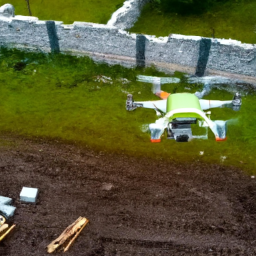
Technology plays a vital role in enhancing construction project tracking, offering tools and solutions that improve efficiency, accuracy, and collaboration. Innovations such as Building Information Modeling (BIM), drones, and the Internet of Things (IoT) are transforming the construction industry, providing real-time data and insights that support informed decision-making.
Project managers must stay abreast of technological advancements and assess their potential impact on project tracking. By leveraging technology, project managers can streamline processes, reduce errors, and enhance communication among team members. Regular training and development programs can help the project team develop the skills needed to harness the power of technology effectively.
Future Trends in Construction Project Management
The construction industry is evolving rapidly, with new trends and innovations shaping the future of project management. These trends include the increasing use of artificial intelligence (AI) and machine learning, the rise of modular construction, and the growing focus on sustainability and green building practices. These trends offer opportunities for project managers to enhance project tracking and deliver successful outcomes.
Project managers must stay informed of industry trends and assess their potential impact on their projects. By embracing innovation and adopting best practices, project managers can enhance project performance and deliver value to stakeholders. Continuous learning and professional development are essential to staying competitive in the ever-changing construction landscape.