Understanding Automated Follow-Up Sequences
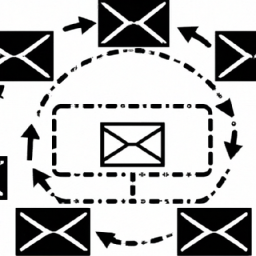
Automated follow-up sequences are pre-scheduled emails or messages sent to customers after specific triggers or time intervals. They play a crucial role in nurturing leads, maintaining customer relationships, and increasing conversion rates. By automating these processes, businesses can ensure timely and consistent communication without manual intervention. This not only saves time but also enhances the overall customer experience.
Designing Effective Email Sequences
To create impactful email sequences, it is essential to understand your audience and tailor your messages accordingly. Start by segmenting your audience based on their behavior, preferences, and needs. This allows for more personalized communication, which is key to engagement. Additionally, crafting compelling subject lines and content that resonates with your audience can significantly improve open and click-through rates.
Choosing the Right Automation Tools
There are numerous tools available that can help businesses automate their follow-up sequences. Platforms like Mailchimp, HubSpot, and ActiveCampaign offer robust features for designing, scheduling, and analyzing email campaigns. When selecting a tool, consider factors such as ease of use, integration capabilities, and scalability to ensure it meets your business needs.
Best Practices for Timing and Frequency
Timing is critical when it comes to follow-up sequences. Sending emails too frequently can lead to subscriber fatigue, while infrequent communication may result in lost interest. Analyze customer interactions and feedback to determine optimal timing and frequency for your sequences. A/B testing can also provide insights into what works best for your audience.
Personalization and Content Strategy
Personalization is a powerful strategy in email marketing. By using customer data to tailor content, businesses can create more relevant and engaging messages. This could include addressing recipients by their name, referencing past interactions, or offering personalized recommendations. A well-thought-out content strategy that aligns with customer interests and pain points can significantly boost engagement.
Measuring Success and Analyzing Data
To gauge the effectiveness of your follow-up sequences, it is important to track key metrics such as open rates, click-through rates, and conversion rates. Analyzing this data can provide valuable insights into what is working and what needs improvement. Regularly reviewing and optimizing your sequences based on these insights can lead to better results over time.
Case Studies: Success Stories
Several businesses have successfully implemented automated follow-up sequences to enhance their marketing efforts. For instance, a retail company increased its conversion rates by 30% after introducing personalized email sequences. Similarly, a B2B firm reduced its customer churn by using automated reminders for contract renewals. These case studies highlight the potential impact of well-executed automation strategies.
Overcoming Common Challenges
While automated follow-up sequences offer numerous benefits, they also come with challenges. Common issues include email deliverability problems, maintaining up-to-date contact lists, and ensuring compliance with data protection regulations. Addressing these challenges involves regularly cleaning your email list, using reputable email service providers, and staying informed about legal requirements.
The Future of Automated Follow-Up Sequences
As technology advances, the future of automated follow-up sequences looks promising. Artificial intelligence and machine learning are expected to play a significant role in enhancing personalization and predictive analytics. This will enable businesses to deliver even more targeted and timely communication, further improving engagement and efficiency.
Conclusion: Taking Action
Mastering automated follow-up sequences requires a strategic approach and ongoing optimization. By focusing on audience segmentation, personalization, and data analysis, businesses can create effective sequences that drive engagement and efficiency. Start by evaluating your current processes, exploring new tools, and implementing best practices to take your follow-up sequences to the next level.