Understanding the Sales Pipeline
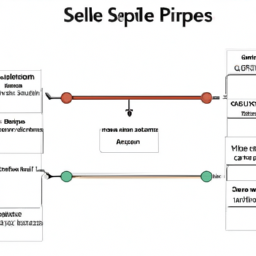
A sales pipeline is a visual representation of the sales process, from initial contact to closing a deal. It helps businesses track the progress of potential sales and identify bottlenecks. For contractors, a well-structured sales pipeline can lead to increased efficiency and higher conversion rates. The typical stages include prospecting, qualification, proposal, negotiation, and closing. Each stage requires specific actions and strategies to move prospects through the pipeline effectively.
Prospecting: Finding Potential Clients
Prospecting is the first stage of the sales pipeline, where contractors identify potential clients. This involves researching and reaching out to businesses or individuals who may require contracting services. Effective prospecting requires a deep understanding of the target market and the ability to communicate the value of your services effectively. Utilizing online platforms, attending industry events, and leveraging referrals are common methods of prospecting in the contracting industry.
Qualification: Assessing Client Needs
Once potential clients are identified, the next step is qualification. This involves assessing whether the prospect's needs align with the services you offer. Qualification is crucial as it prevents time wastage on leads that are unlikely to convert. During this stage, contractors should engage with prospects to understand their specific requirements, budget constraints, and timelines. This information is vital for tailoring proposals that meet client expectations.
Proposal: Crafting the Perfect Offer
After qualifying leads, contractors move to the proposal stage. Here, they present a detailed offer to the potential client. A compelling proposal outlines the scope of work, timelines, costs, and any unique value propositions. It's important to address the client's specific needs and demonstrate how your services provide the best solution. This stage often involves multiple iterations and discussions to ensure the proposal meets the client's expectations.
Negotiation: Reaching an Agreement
Negotiation is a critical stage in the sales pipeline where contractors and clients finalize the terms of the contract. This involves discussions around pricing, project scope, timelines, and other contractual terms. Successful negotiation requires good communication skills and a willingness to compromise. Contractors should aim to create a win-win situation where both parties feel satisfied with the agreement.
Closing: Sealing the Deal
The closing stage is where the deal is finalized, and contracts are signed. This is a crucial moment in the sales pipeline, as all previous efforts culminate in a successful sale. Contractors should ensure that all legal and financial aspects are in order and that the client is fully satisfied with the terms. Effective closing strategies often involve follow-up communications and addressing any last-minute concerns the client may have.
Implementing CRM Tools
Customer Relationship Management (CRM) tools are essential for managing a sales pipeline effectively. These tools help contractors track leads, manage client interactions, and analyze sales data. By implementing a CRM system, contractors can streamline their sales processes, improve communication, and make data-driven decisions. CRM tools also facilitate better collaboration among team members, ensuring that everyone is on the same page.
Analyzing Sales Metrics
Regular analysis of sales metrics is vital for optimizing the sales pipeline. Contractors should track key performance indicators (KPIs) such as conversion rates, average deal size, and sales cycle length. These metrics provide insights into the effectiveness of the sales process and highlight areas for improvement. By analyzing sales data, contractors can identify trends, forecast future sales, and make informed strategic decisions.
Leveraging Customer Feedback
Customer feedback is a valuable resource for refining sales strategies. Contractors should actively seek feedback from clients to understand their experiences and identify areas for improvement. This feedback can be used to enhance service offerings, improve client relationships, and increase customer satisfaction. By incorporating feedback into the sales process, contractors can build stronger, long-term relationships with clients.
Continuous Improvement
The sales pipeline is not a static process; it requires continuous improvement to remain effective. Contractors should regularly review and update their sales strategies to adapt to changing market conditions and client needs. This involves staying informed about industry trends, investing in professional development, and embracing new technologies. A commitment to continuous improvement ensures that the sales pipeline remains a powerful tool for business growth.