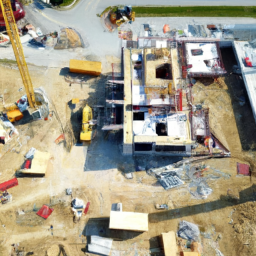

Understanding Workflow Automation in Construction
Workflow automation refers to the use of technology to perform tasks with minimal human intervention. In construction, this can mean automating scheduling, resource allocation, and even on-site operations. The goal is to increase efficiency, reduce errors, and lower costs. By automating repetitive tasks, construction companies can focus on more strategic activities that require human expertise.
Benefits of Automating Construction Processes
The benefits of workflow automation in construction are numerous. Firstly, it leads to significant time savings. Automated systems can perform tasks much faster than humans, allowing projects to be completed on schedule. Secondly, automation reduces the risk of human error, which can be costly and time-consuming to rectify. Additionally, automation improves resource management, ensuring that materials and labor are used effectively.
Challenges in Implementing Workflow Automation
Despite its advantages, implementing automation in construction is not without challenges. One major hurdle is the initial cost of technology adoption. Many construction companies are hesitant to invest in new systems due to budget constraints. Furthermore, there is often resistance to change from employees who are accustomed to traditional methods. Training and adaptation are crucial to overcoming these barriers.
Tools and Technologies for Construction Automation
Several tools and technologies are pivotal in the automation of construction workflows. Building Information Modeling (BIM) software allows for detailed project visualization and planning. Drones are used for site surveys and inspections, providing real-time data that can be integrated into project management systems. Robotics and AI are also making their way into construction, performing tasks such as bricklaying and concrete pouring with precision.
Case Studies: Successful Automation in Construction
Numerous case studies highlight the success of automation in construction. For instance, a large-scale infrastructure project in Europe utilized automated scheduling and resource management tools to complete ahead of schedule. Another example is a residential construction company in the United States that implemented robotic bricklaying, resulting in a 30% reduction in labor costs. These cases demonstrate the tangible benefits of embracing automation.
Overcoming Resistance to Automation
Resistance to change is a common challenge in adopting new technologies. To address this, construction companies should focus on education and training. Demonstrating the benefits of automation, such as increased safety and job satisfaction, can help ease the transition. Involving employees in the decision-making process and providing hands-on experience with new tools can also foster acceptance.
Future Trends in Construction Workflow Automation
The future of construction workflow automation is promising. As technology advances, we can expect to see more integration of AI and machine learning, enabling predictive analytics and smarter decision-making. The use of IoT devices will also increase, providing real-time data on equipment and site conditions. These trends point to a future where construction is more efficient, sustainable, and safe.
Environmental Impact of Construction Automation
Automation in construction has a positive impact on the environment. By optimizing resource use and reducing waste, automated processes contribute to sustainability. Moreover, automation can enhance energy efficiency on construction sites, leading to lower carbon emissions. As the industry moves towards greener practices, automation will play a crucial role in achieving environmental goals.
Integrating Automation with Existing Systems
Integrating new automation technologies with existing systems is a critical step in the transition process. It requires careful planning and coordination to ensure compatibility and minimize disruptions. Companies should conduct thorough assessments of their current workflows and identify areas where automation can be seamlessly integrated. Partnering with technology providers can also help in customizing solutions to fit specific needs.
Conclusion: Embracing the Future of Construction
In conclusion, workflow automation is set to revolutionize the construction industry. By embracing these technologies, companies can achieve greater efficiency, reduce costs, and improve project outcomes. The journey towards automation requires investment and commitment, but the long-term benefits far outweigh the challenges. As the industry continues to evolve, those who adapt will lead the way into a more innovative and productive future.