
Introduction to CRM in Construction
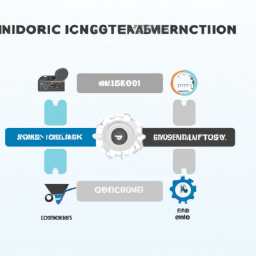
CRM, or Customer Relationship Management, is a pivotal tool for businesses across various industries, including construction. It helps manage customer interactions, streamline processes, and improve profitability. In construction, where project management and client relationships are key, a robust CRM system can make a significant difference. By integrating CRM into their operations, construction companies can ensure better communication, efficient project management, and improved client satisfaction. This section will delve into the basics of CRM and its relevance to the construction sector.
Key Features of CRM for Construction
When selecting a CRM system for your construction business, it's essential to focus on features that cater specifically to the industry's needs. These include project tracking, client management, and workflow automation. A good CRM should offer robust project management tools, allowing for seamless communication and task delegation. Additionally, client management features enable businesses to maintain comprehensive client profiles, track interactions, and manage leads effectively. Workflow automation is another critical aspect, helping to reduce manual tasks and increase productivity.
Benefits of Implementing CRM in Construction
The implementation of CRM solutions in construction can lead to numerous benefits. Firstly, it enhances communication within the team and with clients, ensuring everyone is on the same page. Secondly, CRM systems help in better project management by providing tools for scheduling, resource allocation, and progress tracking. This leads to more efficient use of resources and timely project completion. Moreover, CRM solutions facilitate improved client relationships by offering personalized service and prompt responses to inquiries, ultimately leading to higher customer satisfaction and retention.
Challenges in Adopting CRM in Construction
Despite the benefits, adopting CRM in construction comes with its challenges. One of the primary hurdles is resistance to change, as employees may be accustomed to traditional methods of operation. Another challenge is the integration of CRM with existing systems, which can be complex and time-consuming. Additionally, the cost of implementing a CRM system can be a concern for some businesses, especially smaller ones. However, with proper planning, training, and support, these challenges can be overcome, paving the way for successful CRM adoption.
Case Studies: Successful CRM Integration
Several construction companies have successfully integrated CRM into their operations, reaping significant benefits. For example, a mid-sized construction firm implemented a CRM system to enhance its project management capabilities. The result was a 30% increase in project efficiency and a 20% improvement in client satisfaction. Another company used CRM to streamline its communication processes, leading to better collaboration and coordination among team members. These case studies highlight the potential of CRM solutions to transform construction businesses.
Choosing the Right CRM for Your Business
Selecting the right CRM system is crucial for maximizing its benefits. Businesses should consider factors such as ease of use, scalability, and integration capabilities. It's also important to evaluate the CRM provider's customer support and training services. A thorough assessment of these factors can help businesses choose a CRM solution that aligns with their specific needs and goals. Additionally, businesses should involve key stakeholders in the decision-making process to ensure the chosen CRM meets the requirements of all departments.
Steps to Implement CRM Successfully
Implementing a CRM system successfully requires careful planning and execution. The first step is to define clear objectives and goals for the CRM implementation. Next, businesses should involve all relevant stakeholders in the planning process to ensure buy-in and support. Training and support are critical components of successful implementation, as they help employees adapt to the new system. It's also important to monitor and evaluate the CRM's performance regularly to identify areas for improvement and ensure it continues to meet business needs.
Future Trends in CRM for Construction
The future of CRM in construction looks promising, with several trends set to shape the industry. One such trend is the increasing use of artificial intelligence (AI) to enhance CRM capabilities. AI can help automate routine tasks, provide predictive insights, and improve decision-making. Another trend is the integration of CRM with other technologies, such as IoT and BIM, to provide a more comprehensive view of projects and client interactions. As technology continues to evolve, construction businesses that embrace these trends will be well-positioned to stay ahead of the competition.
Conclusion: Maximizing Efficiency with CRM
In conclusion, CRM solutions offer significant potential for construction businesses looking to maximize efficiency and improve client relationships. By selecting the right CRM system and implementing it effectively, businesses can streamline operations, enhance communication, and boost overall productivity. As the construction industry continues to evolve, CRM will play an increasingly important role in helping businesses stay competitive and meet the demands of modern clients.
Additional Resources
For businesses interested in learning more about CRM solutions for construction, several resources are available. Industry conferences, webinars, and online courses offer valuable insights into the latest trends and best practices. Additionally, consulting with CRM experts and networking with other construction professionals can provide practical advice and support. By leveraging these resources, businesses can gain a deeper understanding of CRM and its potential to transform their operations.