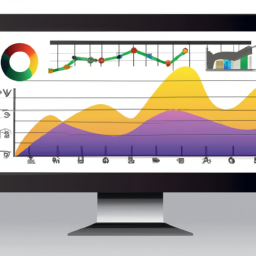

Introduction to Builder Management Systems
Builder management systems are designed to streamline the various processes involved in construction projects. These systems offer a centralized platform for managing resources, timelines, and budgets. By integrating technology into construction management, companies can enhance communication, improve efficiency, and reduce the likelihood of costly errors.
Key Features of Advanced Builder Management Systems
Advanced builder management systems come equipped with a range of features that cater to the diverse needs of construction projects. These include project scheduling tools, resource management capabilities, and real-time data analytics. Additionally, many systems offer mobile access, allowing site managers to update and retrieve information on the go, thus ensuring that everyone is on the same page.
The Role of Technology in Construction Efficiency
Technology plays a pivotal role in enhancing construction efficiency. With tools like drones for site surveys and AI for predictive analytics, construction teams can make informed decisions quickly. Builder management systems integrate these technologies, providing a comprehensive view of the project’s progress and potential challenges, thereby enabling proactive problem-solving.
Real-Time Data Access and Its Benefits
Access to real-time data is a significant advantage in construction management. Builder management systems provide up-to-date information on project status, resource allocation, and financials. This transparency allows project managers to make timely decisions, optimize resource use, and ensure that the project stays on track and within budget.
Case Studies: Successful Implementations
Several construction companies have successfully implemented advanced builder management systems, resulting in improved project outcomes. For instance, a leading construction firm reduced project delays by 30% after adopting a comprehensive management platform. Another case study highlights a company that saved millions in costs through efficient resource management and reduced waste.
Choosing the Right Builder Management System
Selecting the right builder management system involves evaluating the specific needs of your construction projects. Consider factors such as scalability, ease of use, integration capabilities, and cost. It is essential to choose a system that aligns with your company’s goals and can adapt to future needs.
Overcoming Challenges in System Integration
Integrating a new management system can pose challenges, such as resistance to change and technical difficulties. To overcome these, companies should invest in training and support for their teams. Additionally, choosing a system with user-friendly interfaces and robust customer support can ease the transition and ensure successful adoption.
The Future of Construction Management
The future of construction management is increasingly digital. With advancements in technology, builder management systems are becoming more sophisticated, offering features like augmented reality for virtual site inspections and blockchain for secure transactions. Embracing these innovations can position construction companies at the forefront of industry developments.
Environmental and Safety Benefits
Advanced builder management systems contribute to environmental sustainability and safety on construction sites. By optimizing resource use and reducing waste, these systems help minimize the environmental impact of construction activities. Furthermore, they enhance safety by providing real-time alerts and ensuring compliance with safety regulations.
Conclusion: Transforming Construction with Technology
In conclusion, an advanced builder management system is a vital tool for modern construction projects. By enhancing efficiency, improving communication, and providing valuable insights, these systems transform how construction companies operate. As the industry continues to evolve, embracing technology will be key to staying competitive and achieving project success.