Introduction to Construction Project Management Platforms
Construction project management platforms have become indispensable in modern construction projects. These platforms provide a centralized hub for all project-related activities, from planning and scheduling to execution and monitoring. By leveraging these tools, construction managers can ensure better coordination among teams, leading to more efficient project delivery.
The Need for Advanced Project Management Tools
As construction projects become more complex, the need for advanced project management tools has grown. These platforms are designed to handle the intricacies of large-scale projects, offering features such as task automation, resource management, and real-time communication. By using these tools, construction firms can reduce the likelihood of errors and delays.
Key Features of Modern Project Management Platforms
Modern project management platforms come equipped with a variety of features that cater to the needs of construction professionals. These include scheduling tools, budget tracking, document management, and analytics. With these features, project managers can keep a close eye on every aspect of the project, ensuring that everything runs smoothly.
Enhancing Collaboration and Communication
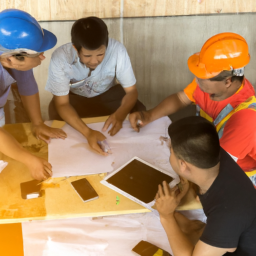
One of the key benefits of using a project management platform is enhanced collaboration and communication. These tools provide a shared space where team members can communicate, share files, and update project statuses. This leads to better teamwork and ensures that everyone is on the same page.
Real-Time Data Tracking and Reporting
Real-time data tracking and reporting are crucial for the success of any construction project. Project management platforms offer these capabilities, allowing managers to monitor progress, identify potential issues, and make informed decisions quickly. This level of insight is invaluable for keeping projects on track.
Resource Allocation and Risk Management
Effective resource allocation and risk management are critical components of project management. Platforms provide tools for allocating resources efficiently and identifying potential risks early on. By managing resources and risks effectively, construction managers can avoid costly mistakes and ensure project success.
Integration with Other Construction Technologies
Project management platforms can integrate seamlessly with other construction technologies, such as BIM (Building Information Modeling) and IoT devices. This integration allows for a more holistic approach to project management, where data from various sources can be combined to provide a comprehensive view of the project.
Case Studies: Successful Implementation
Several construction firms have successfully implemented project management platforms, leading to significant improvements in project outcomes. These case studies highlight the benefits of using these tools, such as reduced project timelines, improved quality, and increased client satisfaction.
Challenges and Considerations
While project management platforms offer numerous benefits, there are also challenges and considerations to keep in mind. These include the initial cost of implementation, the learning curve for new users, and the need for ongoing support and maintenance. However, the long-term benefits often outweigh these challenges.
The Future of Construction Project Management
The future of construction project management looks promising, with advancements in technology continuing to shape the industry. As platforms become more sophisticated, they will offer even greater capabilities, helping construction firms stay competitive in a rapidly changing landscape.