Introduction to Fleet Tracking
Fleet tracking has emerged as a vital tool for businesses that operate vehicles. By leveraging GPS and other technologies, companies can gain real-time insights into their fleet's performance. This not only helps in reducing operational costs but also enhances safety and compliance. The introduction of fleet tracking systems has revolutionized the way logistics and transportation industries function, providing a competitive edge to those who adopt it.
Benefits of Fleet Tracking
One of the primary benefits of fleet tracking is the ability to monitor vehicle locations and optimize routes. This leads to significant savings in fuel costs and time. Additionally, fleet tracking systems can provide insights into driver behavior, allowing companies to implement training programs that improve safety and reduce accidents. By analyzing data collected from these systems, businesses can also enhance their vehicle maintenance schedules, thus extending the lifespan of their assets.
How Fleet Tracking Works
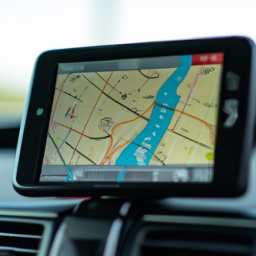
Fleet tracking systems typically use GPS technology to provide real-time location data. This data is then transmitted to a centralized system where it can be analyzed and acted upon. Advanced systems may also incorporate other sensors and telematics devices to gather information on vehicle performance and driver behavior. The integration of these technologies allows for comprehensive monitoring and management of a fleet.
Implementing a Fleet Tracking System
Implementing a fleet tracking system requires careful planning and consideration. Businesses must first assess their specific needs and objectives. Choosing the right technology and vendor is crucial, as is ensuring that the system is scalable and can integrate with existing infrastructure. It's also important to consider the legal implications, such as privacy concerns and compliance with regulations.
Legal and Privacy Considerations
When implementing fleet tracking, businesses must be aware of legal and privacy issues. It's essential to inform employees about the tracking system and its purpose, and to ensure compliance with data protection laws. Companies should also have clear policies in place regarding the use of collected data to avoid any legal disputes.
Improving Fleet Safety
Fleet tracking can significantly enhance safety by providing insights into driver behavior. By monitoring speed, braking patterns, and other metrics, companies can identify risky behaviors and address them through training and incentives. Real-time alerts can also notify managers of dangerous situations, allowing for prompt intervention.
Optimizing Fleet Efficiency
Efficiency is a key benefit of fleet tracking. By analyzing route data, companies can identify inefficiencies and make adjustments to save time and fuel. Advanced analytics can also predict traffic patterns and suggest alternative routes, further enhancing efficiency. This optimization leads to cost savings and improved customer satisfaction.
Data Analytics in Fleet Management
Data analytics plays a critical role in fleet management. By analyzing data collected from tracking systems, companies can gain insights into vehicle performance, maintenance needs, and driver behavior. This information can be used to make informed decisions that improve efficiency and safety. The use of data analytics is expected to grow as technology advances, providing even more opportunities for optimization.
Future Trends in Fleet Tracking
The future of fleet tracking is promising, with advancements in AI and machine learning set to revolutionize the industry. These technologies will enable more accurate predictions and automated decision-making, further enhancing efficiency and safety. Additionally, the integration of IoT devices will provide even more data points for analysis, leading to more comprehensive fleet management solutions.
Conclusion
Fleet tracking is an indispensable tool for modern businesses that rely on vehicles. By implementing a robust tracking system, companies can improve efficiency, enhance safety, and gain a competitive edge. As technology continues to evolve, the capabilities of fleet tracking systems will only expand, providing even more opportunities for optimization and growth.