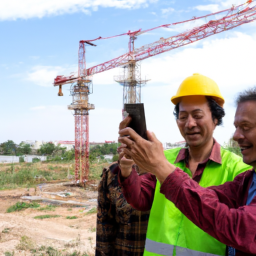

Introduction to Geofencing Technology
Geofencing technology utilizes GPS and RFID to create virtual perimeters around specific locations. This technology has been increasingly adopted in various industries, including construction, to enhance workforce efficiency and safety. By setting up these virtual boundaries, companies can monitor and manage their workforce more effectively, ensuring that resources are utilized optimally and that safety protocols are adhered to.
How Geofencing Works
Geofencing operates by using satellite and cellular data to define geographical boundaries. When a device enters or exits these boundaries, it triggers a pre-set action, such as sending a notification to a manager or logging the time of entry or exit. This capability allows for real-time tracking and management of employees, ensuring that they are where they need to be and are performing their tasks efficiently.
Benefits of Geofencing in Construction
The benefits of geofencing in the construction industry are manifold. One of the primary advantages is improved workforce management. By knowing the exact location of employees, managers can allocate tasks more efficiently and ensure that all areas of the jobsite are adequately staffed. Additionally, geofencing can help prevent unauthorized access to sensitive areas, thereby enhancing site security.
Cost Savings Through Geofencing
Implementing geofencing technology can lead to significant cost savings for construction companies. By optimizing resource allocation, companies can reduce waste and improve productivity. Furthermore, by preventing unauthorized access and ensuring that employees are working efficiently, companies can reduce the likelihood of costly accidents and delays.
Integration with IoT
Geofencing technology can be further enhanced by integrating it with Internet of Things (IoT) devices. IoT devices can provide additional data points, such as equipment usage and environmental conditions, which can be used to optimize operations and improve safety. This integration can lead to a more comprehensive understanding of jobsite dynamics, allowing for more informed decision-making.
Challenges and Considerations
While geofencing offers numerous benefits, there are also challenges and considerations to keep in mind. Implementing this technology requires careful planning and investment in infrastructure. Additionally, companies must ensure that employees are properly trained to use the technology and understand its benefits. Privacy concerns must also be addressed, as employees may be wary of being constantly monitored.
Case Studies of Successful Implementation
Several companies have successfully implemented geofencing technology to enhance their operations. For example, a large construction firm in the United States used geofencing to improve workforce management on a major infrastructure project. By tracking employee movements, the company was able to optimize task allocation and improve overall productivity.
Future Trends in Geofencing
The future of geofencing technology looks promising, with continued advancements expected in the coming years. As technology evolves, geofencing is likely to become more sophisticated, with enhanced capabilities for data analysis and integration with other systems. These advancements will further improve workforce efficiency and safety on jobsites.
Conclusion
Geofencing technology offers a powerful tool for enhancing workforce efficiency in the construction industry. By providing real-time data on employee location and productivity, companies can optimize operations and improve safety. However, successful implementation requires careful planning and consideration of potential challenges, including privacy concerns and the need for employee training.
Steps to Implement Geofencing
To successfully implement geofencing technology, companies should follow a series of steps. First, they should conduct a thorough analysis of their needs and identify the specific areas where geofencing can provide the most benefit. Next, they should invest in the necessary infrastructure and technology, ensuring that it is compatible with existing systems. Finally, companies should provide comprehensive training to employees, emphasizing the benefits of the technology and addressing any concerns.