
Introduction to GPS Technology
Global Positioning System (GPS) has revolutionized the way we navigate and interact with the world around us. Initially developed for military use, GPS has become a critical component in various civilian applications, from navigation to personal tracking. By understanding the basic principles of GPS, users can better appreciate its capabilities and limitations. GPS works by triangulating signals from a network of satellites orbiting the Earth, providing precise location data to receivers on the ground. This technology has paved the way for numerous innovations in transportation, emergency response, and personal safety.
The Evolution of GPS Tracking Systems
The journey of GPS technology began in the 1970s with the launch of the first satellites. Over the decades, GPS has evolved significantly, with improvements in accuracy, reliability, and accessibility. The introduction of smartphones and wearable devices has further expanded the reach of GPS tracking, making it an integral part of everyday life. Today, advanced GPS systems offer real-time tracking, geofencing, and integration with other technologies like the Internet of Things (IoT). As we move into 2023, GPS technology continues to advance, with new developments enhancing its functionality and user experience.
Applications of GPS Tracking in Various Industries
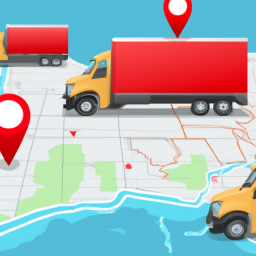
GPS tracking is utilized across a wide range of industries, each benefiting from its unique capabilities. In transportation, GPS enables efficient route planning and fleet management, reducing fuel consumption and improving delivery times. The logistics sector relies on GPS for real-time tracking of shipments, ensuring timely deliveries and enhancing customer satisfaction. In agriculture, GPS technology aids in precision farming, optimizing crop management and resource allocation. Additionally, the security industry uses GPS for tracking assets and monitoring personnel, providing enhanced protection and accountability. As technology continues to advance, the applications of GPS tracking are expected to grow, offering new opportunities and efficiencies.
Challenges and Limitations of GPS Tracking
Despite its many advantages, GPS tracking is not without its challenges. One of the primary limitations is signal interference, which can occur in urban environments with tall buildings or in dense forests. This interference can lead to inaccuracies in location data, affecting the reliability of GPS systems. Additionally, privacy concerns have arisen with the widespread use of GPS tracking, as individuals and organizations seek to balance the benefits of location data with the need to protect personal information. Addressing these challenges requires ongoing innovation and collaboration between technology developers, policymakers, and users.
Advancements in GPS Technology for 2023
The year 2023 brings exciting advancements in GPS technology, with improvements in accuracy, speed, and integration. New satellite constellations are being launched, offering enhanced coverage and precision. These advancements are particularly beneficial for industries requiring high accuracy, such as aviation and autonomous vehicles. Moreover, the integration of GPS with other technologies, such as augmented reality and machine learning, is opening up new possibilities for innovation. As these technologies converge, GPS systems are becoming more versatile and capable, offering enhanced user experiences and new functionalities.
Future Trends in GPS Location Tracking
Looking ahead, several trends are shaping the future of GPS location tracking. The development of next-generation satellite systems promises to deliver even greater accuracy and reliability. Additionally, the rise of 5G technology is expected to enhance the speed and connectivity of GPS systems, enabling real-time data transmission and analysis. Another emerging trend is the use of GPS in smart cities, where location data is used to optimize urban planning and resource management. As these trends continue to evolve, GPS technology will play an increasingly important role in shaping the future of navigation and location-based services.
Integrating GPS with Other Technologies
The integration of GPS with other technologies is creating new opportunities and applications. For instance, combining GPS with IoT devices allows for real-time tracking and monitoring of assets, improving operational efficiency and reducing costs. In the healthcare sector, GPS is being used to track medical equipment and monitor patient movements, enhancing safety and care delivery. Furthermore, the integration of GPS with artificial intelligence is enabling predictive analytics, providing valuable insights for decision-making and planning. As these technologies continue to converge, the potential for innovation and growth in GPS applications is immense.
Enhancing Security with GPS Tracking
Security is a critical concern for individuals and organizations alike, and GPS tracking offers valuable solutions for enhancing safety and protection. Personal GPS devices provide peace of mind for individuals by allowing them to share their location with trusted contacts in case of emergencies. In the business sector, GPS tracking is used to monitor the movement of valuable assets, reducing the risk of theft and loss. Additionally, GPS-enabled security systems offer real-time alerts and notifications, enabling rapid response to potential threats. As security challenges evolve, GPS tracking will continue to play a vital role in safeguarding people and property.
The Role of GPS in Emergency Response
In emergency situations, accurate and timely information is crucial for effective response and recovery. GPS technology plays a critical role in emergency management by providing real-time location data to responders and coordinators. This information enables efficient resource allocation, route planning, and communication, improving the overall effectiveness of emergency operations. For instance, GPS is used in disaster response to track the movement of relief supplies and personnel, ensuring that aid reaches those in need as quickly as possible. As the frequency and intensity of natural disasters increase, the importance of GPS in emergency response will only continue to grow.
Conclusion: Embracing the Future of GPS Tracking
As we look to the future, the potential of GPS tracking is vast and exciting. The ongoing advancements in technology, combined with the growing demand for location-based services, are driving innovation and growth in the GPS industry. By embracing these developments, individuals and organizations can harness the power of GPS to enhance navigation, security, and efficiency. As we move forward, it is essential to address the challenges and limitations of GPS tracking, ensuring that this valuable technology is used responsibly and effectively. With continued collaboration and innovation, the future of GPS tracking is bright and full of possibilities.