
The Rise of AI Forecasting
The advent of AI has brought about a significant transformation in predictive analytics. By leveraging machine learning algorithms, AI forecasting can process vast amounts of data at unprecedented speeds, leading to more accurate and timely predictions. This technology is being adopted across various sectors, offering a competitive edge to businesses and enhancing decision-making processes.
AI in Weather Prediction
Weather forecasting has always been a complex task, but AI is making it more reliable. By analyzing historical weather data and current atmospheric conditions, AI models can predict weather patterns with remarkable accuracy. This not only helps in planning daily activities but also plays a crucial role in disaster management and mitigation strategies.
Transforming Financial Markets
In the financial sector, AI forecasting is revolutionizing the way market trends are analyzed. By processing real-time data and historical trends, AI models can predict stock movements and economic shifts, allowing investors to make informed decisions. This capability is reshaping the financial landscape, offering new opportunities and challenges for traders and analysts.
Healthcare Advancements
AI forecasting is also making waves in healthcare, where it is used to predict disease outbreaks and patient outcomes. By analyzing patient data and health trends, AI can provide early warnings for potential health crises, enabling healthcare providers to respond proactively. This technology is improving patient care and optimizing resource allocation in healthcare facilities.
Challenges in AI Forecasting
Despite its potential, AI forecasting faces several challenges. Data privacy is a major concern, as the technology requires access to large datasets to function effectively. Additionally, the accuracy of predictions depends on the quality of the data, which can be a limiting factor. Addressing these challenges is essential for the continued growth and acceptance of AI forecasting.
The Role of Big Data
Big data plays a pivotal role in AI forecasting. The ability to process and analyze large volumes of data is what sets AI apart from traditional forecasting methods. As data collection and storage technologies advance, AI forecasting models will become even more sophisticated, offering deeper insights and more reliable predictions.
Ethical Considerations
As with any technology, ethical considerations are paramount in AI forecasting. Ensuring that AI models are free from bias and that data is used responsibly is crucial. Transparency in AI decision-making processes and the protection of individual privacy rights must be prioritized to build trust and ensure the ethical deployment of AI forecasting systems.
The Future of AI Forecasting
The future of AI forecasting is bright, with continuous advancements in technology driving its evolution. As AI models become more sophisticated, their ability to predict complex events will improve, opening new avenues for innovation and application. The integration of AI forecasting into everyday life will continue to grow, transforming industries and enhancing our ability to anticipate and respond to future challenges.
AI Forecasting in Agriculture
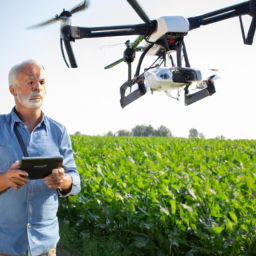
Agriculture is another sector where AI forecasting is making a significant impact. By predicting weather patterns and crop yields, AI models are helping farmers optimize their planting and harvesting schedules. This not only increases productivity but also contributes to food security by ensuring a stable supply of agricultural products.
Conclusion: Embracing the AI Revolution
AI forecasting is revolutionizing the way we predict the future. Its applications are vast and varied, impacting numerous industries and aspects of daily life. As we continue to embrace this technology, it is essential to address the challenges and ethical considerations that come with it. By doing so, we can unlock the full potential of AI forecasting and pave the way for a future where predictions are more accurate, timely, and beneficial for all.