
Understanding Mobile Field Reporting
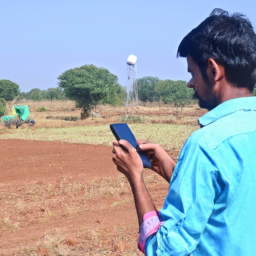
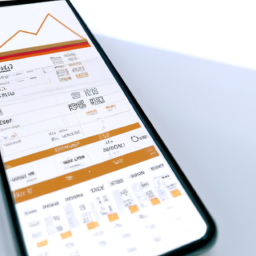
Mobile field reporting refers to the use of mobile devices to collect, report, and analyze data from the field. This approach allows field workers to input data directly into their mobile devices, which can then be transmitted in real-time to a central database. This method improves the accuracy of data collection and reduces the time needed for data processing. By eliminating the need for paper forms and manual data entry, mobile field reporting streamlines operations and increases efficiency.
Benefits of Mobile Field Reporting
The benefits of mobile field reporting are numerous. Firstly, it enhances data accuracy by allowing field workers to enter data directly into digital forms, reducing the risk of errors associated with manual data entry. Secondly, it improves productivity by enabling real-time data transmission, which reduces the time spent on data processing and allows for quicker decision-making. Additionally, mobile field reporting provides greater flexibility, as field workers can access and update data from anywhere, at any time.
Choosing the Right Mobile Field Reporting Tools
When selecting mobile field reporting tools, it is important to consider the specific needs of your organization. Look for tools that offer features such as GPS integration, offline functionality, and customizable forms. Consider the ease of use and the level of support provided by the tool's vendor. Additionally, ensure that the tool is compatible with your existing systems and can be easily integrated into your workflow. By choosing the right tools, you can maximize the benefits of mobile field reporting and enhance your organization's productivity.
Implementing Mobile Field Reporting Solutions
Implementing mobile field reporting solutions requires careful planning and execution. Start by identifying the specific goals you want to achieve with mobile field reporting. Next, conduct a thorough assessment of your current processes and identify areas where mobile field reporting can add value. Develop a detailed implementation plan, including timelines, resource allocation, and training requirements. Engage stakeholders throughout the process to ensure buy-in and support. By following a structured approach, you can successfully implement mobile field reporting solutions and achieve your desired outcomes.
Best Practices for Mobile Field Reporting
To maximize the effectiveness of mobile field reporting, it is important to follow best practices. Ensure that your field workers are adequately trained in using mobile reporting tools and understand the importance of data accuracy. Regularly review and update your mobile reporting processes to ensure they remain aligned with your organization's goals. Additionally, leverage analytics to gain insights into your field operations and identify areas for improvement. By continuously refining your mobile field reporting practices, you can drive greater efficiency and effectiveness in your operations.
Case Studies: Successful Implementations
Several organizations have successfully implemented mobile field reporting solutions, resulting in significant improvements in their operations. For example, a construction company used mobile field reporting to streamline their safety inspections, leading to a 30% reduction in safety incidents. Similarly, a utility company implemented mobile field reporting to optimize their maintenance processes, resulting in a 25% increase in productivity. These case studies demonstrate the tangible benefits of mobile field reporting and highlight the potential for other organizations to achieve similar results.
Challenges and Solutions in Mobile Field Reporting
While mobile field reporting offers numerous benefits, it also presents certain challenges. One common challenge is ensuring data security, as mobile devices are susceptible to theft and data breaches. To mitigate this risk, implement robust security measures such as encryption and secure access controls. Another challenge is managing data overload, as the ease of data collection can lead to an overwhelming volume of data. To address this, implement data management strategies and prioritize data quality over quantity. By proactively addressing these challenges, you can ensure the success of your mobile field reporting initiatives.
Future Trends in Mobile Field Reporting
The future of mobile field reporting is promising, with several emerging trends set to shape the industry. One such trend is the integration of artificial intelligence and machine learning into mobile reporting tools, enabling predictive analytics and automated decision-making. Another trend is the increasing use of IoT devices to collect and transmit data from the field, further enhancing the accuracy and timeliness of data collection. As these trends continue to evolve, organizations that embrace them will be well-positioned to gain a competitive advantage.
Conclusion: Revolutionize Your Workflow
Mobile field reporting has the potential to revolutionize your workflow by providing real-time insights, improving data accuracy, and enhancing productivity. By understanding the benefits, selecting the right tools, and following best practices, you can successfully implement mobile field reporting solutions and achieve your organizational goals. As technology continues to advance, the opportunities for innovation in mobile field reporting are limitless. Embrace this transformative approach and unlock the full potential of your field operations.
Additional Resources and Further Reading
For those interested in learning more about mobile field reporting, there are numerous resources available. Industry publications, online forums, and webinars offer valuable insights and best practices. Additionally, consider reaching out to vendors and industry experts for guidance and support. By staying informed and continuously expanding your knowledge, you can stay ahead of the curve and drive success in your mobile field reporting initiatives.