
Understanding the Customer Journey
The customer journey refers to the complete experience a customer has with a brand, from initial awareness to post-purchase interactions. It encompasses every touchpoint and interaction a customer has with a company. Understanding this journey is crucial for businesses as it allows them to tailor their marketing strategies and improve customer satisfaction. By mapping out the customer journey, companies can identify pain points and opportunities for improvement, ultimately leading to increased customer loyalty and retention.
Key Stages of the Customer Journey
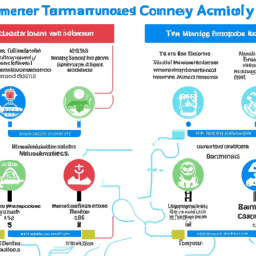
The customer journey is typically divided into several key stages: awareness, consideration, purchase, retention, and advocacy. Each stage represents a different phase in the customer's relationship with the brand. During the awareness stage, customers become aware of the brand through various marketing channels. In the consideration stage, they evaluate the brand's products or services. The purchase stage involves the actual transaction, while the retention stage focuses on keeping the customer engaged. Finally, the advocacy stage is where satisfied customers become brand ambassadors, promoting the brand to others.
Tools for Customer Journey Tracking
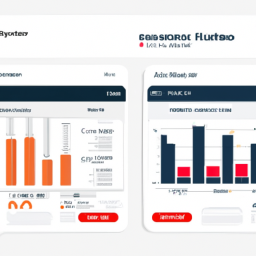
There are numerous tools available to help businesses track the customer journey. Customer Relationship Management (CRM) systems, analytics platforms, and marketing automation tools are some of the most commonly used. These tools provide valuable insights into customer behavior, allowing businesses to make data-driven decisions. By leveraging these technologies, companies can gain a deeper understanding of their customers' needs and preferences, enabling them to deliver personalized experiences at every stage of the journey.
Analyzing Customer Data
Data analysis plays a crucial role in customer journey tracking. By analyzing customer data, businesses can identify trends and patterns that can inform their marketing strategies. This involves collecting data from various sources, such as website analytics, social media interactions, and customer feedback. Once the data is collected, it can be analyzed to uncover insights into customer behavior and preferences. These insights can then be used to optimize the customer journey, ensuring that customers receive the right message at the right time.
Improving Customer Experience
Improving the customer experience is a key objective of customer journey tracking. By understanding the customer journey, businesses can identify areas where the customer experience can be enhanced. This might involve simplifying the purchasing process, providing more personalized service, or addressing common customer complaints. By continuously monitoring and improving the customer journey, businesses can increase customer satisfaction and loyalty, leading to long-term success.
Challenges in Customer Journey Tracking
While tracking the customer journey offers numerous benefits, it also presents several challenges. One of the main challenges is the complexity of the customer journey itself. With so many touchpoints and interactions, it can be difficult to track and analyze every aspect of the journey. Additionally, data privacy concerns and the need for cross-departmental collaboration can also pose challenges. However, by investing in the right tools and technologies, and fostering a culture of collaboration, businesses can overcome these challenges and successfully track the customer journey.
Future Trends in Customer Journey Tracking
As technology continues to evolve, so too does the field of customer journey tracking. One of the key trends is the use of artificial intelligence (AI) to analyze customer data and predict future behavior. AI can provide businesses with deeper insights into customer preferences and help them anticipate customer needs. Additionally, the increasing use of mobile technology and social media is also shaping the future of customer journey tracking. As more customers engage with brands through these channels, businesses will need to adapt their tracking strategies to keep up with changing customer behavior.
Case Studies of Successful Journey Tracking
Many businesses have successfully implemented customer journey tracking strategies to enhance their customer experience. For example, a leading retail company used journey mapping to identify pain points in their online shopping experience. By addressing these issues, they were able to increase customer satisfaction and drive sales. Another company used customer journey analytics to personalize their marketing campaigns, resulting in a significant increase in customer engagement and conversion rates. These case studies demonstrate the power of customer journey tracking in driving business success.
Best Practices for Journey Mapping
When it comes to journey mapping, there are several best practices that businesses should follow. First, it's important to involve stakeholders from across the organization to ensure a comprehensive understanding of the customer journey. Second, businesses should focus on the customer's perspective, rather than their own internal processes. Finally, journey maps should be regularly updated to reflect changes in customer behavior and preferences. By following these best practices, businesses can create effective journey maps that drive customer satisfaction and business success.
Conclusion: The Importance of Customer Journey Tracking
In today's competitive business environment, understanding the customer journey is more important than ever. By tracking and analyzing the customer journey, businesses can gain valuable insights into customer behavior and preferences, allowing them to deliver personalized experiences that drive satisfaction and loyalty. While there are challenges involved in journey tracking, the benefits far outweigh the costs. By investing in the right tools and technologies, and following best practices, businesses can successfully track the customer journey and achieve long-term success.