
The Rise of Automation in the Workplace
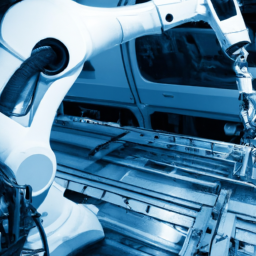
Automation is not a new concept, yet its recent advancements have brought unprecedented changes to the workplace. From manufacturing to services, automation is enhancing productivity and efficiency. Companies are increasingly investing in robotic systems and AI technologies to streamline operations and reduce costs. However, this shift also raises questions about job displacement and the future role of human workers.
How Automation is Redefining Job Roles
As machines take over repetitive tasks, human workers are finding themselves in roles that require higher cognitive skills. This shift necessitates a reevaluation of job descriptions and a focus on creativity, problem-solving, and emotional intelligence. Employers are seeking individuals who can complement machine capabilities, leading to a demand for upskilling and reskilling programs.
The Economic Impact of Jobsite Automation
Automation has the potential to drive significant economic growth by increasing productivity and reducing operational costs. However, it also poses challenges such as income inequality and job displacement. Policymakers and businesses must work together to ensure that the benefits of automation are equitably distributed, and new job opportunities are created to replace those lost to machines.
Challenges and Ethical Considerations
The implementation of automation technologies raises ethical concerns, particularly regarding data privacy and the potential for biased algorithms. Companies must ensure that their systems are transparent and that they uphold ethical standards. Additionally, there is a need for regulations to govern the use of AI and robotics in the workplace to protect workers' rights and ensure fair treatment.
The Role of AI in Enhancing Workplace Efficiency
Artificial Intelligence plays a crucial role in optimizing workplace processes. From predictive maintenance in manufacturing to personalized customer service in retail, AI-driven systems are enhancing efficiency and accuracy. These systems can analyze vast amounts of data to provide actionable insights, helping businesses make informed decisions quickly.
Preparing the Workforce for an Automated Future
To thrive in an automated world, workers must embrace lifelong learning and adaptability. Educational institutions and businesses must collaborate to provide training programs that equip workers with the skills needed in the digital age. Emphasis should be placed on STEM education and soft skills that machines cannot replicate.
Collaboration Between Humans and Machines
The future workplace is one where humans and machines work together harmoniously. Automation should not be seen as a threat but as an opportunity to enhance human capabilities. By leveraging the strengths of both humans and machines, businesses can achieve greater innovation and productivity.
Case Studies: Successful Automation Implementations
Several companies have successfully integrated automation into their operations, resulting in increased efficiency and profitability. For instance, a leading automotive manufacturer implemented robotic assembly lines, reducing production time and minimizing errors. Similarly, a logistics company used AI to optimize delivery routes, cutting costs and improving customer satisfaction.
The Future of Jobsite Automation
The future of work is one where automation is seamlessly integrated into daily operations. As technologies continue to evolve, businesses must remain agile and open to change. The key to success lies in the ability to adapt and innovate, ensuring that both humans and machines can thrive in the workplace of tomorrow.
Conclusion: Embracing the Change
As we stand on the brink of a new era in workplace dynamics, embracing automation is not just an option but a necessity. By preparing for the changes ahead and fostering a culture of innovation, businesses can harness the full potential of automation, leading to sustainable growth and prosperity.