
Introduction to Payroll Export Tools
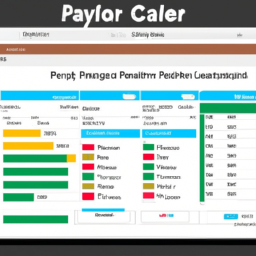
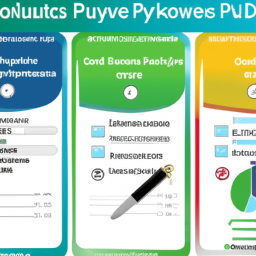
Efficient payroll management is a cornerstone of successful business operations. As companies grow, the complexity of handling payroll increases, necessitating the use of advanced tools. These tools not only automate routine tasks but also ensure accuracy and compliance with regulations. This section introduces the concept of payroll export tools, their importance, and how they fit into modern business strategies.
Benefits of Using Payroll Export Tools
Payroll export tools offer a myriad of benefits that can significantly enhance business operations. One of the primary advantages is the reduction in manual errors, which are common in traditional payroll processes. Automation ensures that calculations are accurate and consistent. Moreover, these tools provide real-time data access, enabling managers to make informed decisions quickly. Another significant benefit is the time saved, allowing HR departments to focus on more strategic tasks.
Top Payroll Export Tools in the Market
The market is flooded with various payroll export tools, each offering unique features. Among the top contenders are ADP Workforce Now, QuickBooks Payroll, and Gusto. ADP Workforce Now is renowned for its comprehensive features that cater to businesses of all sizes. QuickBooks Payroll integrates seamlessly with other QuickBooks products, providing a cohesive financial management solution. Gusto is favored for its user-friendly interface and robust customer support.
Features to Look for in Payroll Export Tools
When selecting a payroll export tool, it's crucial to consider the features that align with your business needs. Key features include automated tax calculations, direct deposit capabilities, and compliance management. Additionally, integration with existing accounting software and customizable reporting options are essential for maximizing the tool's utility. Businesses should also evaluate the scalability of the tool to ensure it can grow alongside their operations.
Integration Capabilities of Payroll Tools
Integration with other business systems is a critical factor when choosing a payroll export tool. Seamless integration ensures that data flows smoothly between platforms, reducing the risk of errors and duplications. Many payroll tools offer APIs that facilitate integration with popular accounting and HR software. This connectivity not only streamlines processes but also enhances data accuracy across the organization.
Cost-Saving Benefits of Payroll Export Tools
Investing in payroll export tools can lead to significant cost savings for businesses. By automating payroll processes, companies can reduce the need for extensive HR personnel dedicated to payroll management. Moreover, these tools help avoid costly compliance penalties by ensuring that all payroll activities adhere to relevant laws and regulations. The initial investment in a payroll tool often pays off quickly through these savings.
Ensuring Compliance with Payroll Tools
Compliance is a critical concern for businesses, particularly when it comes to payroll. Payroll export tools are designed to keep businesses compliant with the latest tax laws and labor regulations. They automatically update to reflect changes in legislation, ensuring that all payroll activities are conducted legally. This feature not only protects businesses from legal issues but also builds trust with employees, who can be confident in the accuracy of their paychecks.
Data Security in Payroll Export Tools
With the increasing threat of data breaches, security is a top priority for any business handling sensitive employee information. Payroll export tools incorporate advanced security measures to protect data from unauthorized access. These measures include encryption, secure user authentication, and regular security audits. By choosing a tool with robust security features, businesses can safeguard their data and maintain employee trust.
Case Studies: Successful Implementation of Payroll Tools
Several businesses have successfully implemented payroll export tools, resulting in improved efficiency and reduced costs. For instance, a mid-sized retail company reported a 40% reduction in payroll processing time after adopting a new payroll tool. Another case study highlights a tech startup that achieved compliance with international labor laws through the use of an advanced payroll system. These examples demonstrate the tangible benefits of integrating payroll export tools into business operations.
Conclusion: Choosing the Right Payroll Export Tool
In conclusion, payroll export tools are invaluable assets for businesses looking to streamline their operations and enhance efficiency. When choosing a tool, it's important to consider the specific needs of your business, including integration capabilities, compliance features, and cost-effectiveness. By investing in the right payroll export tool, businesses can not only improve their payroll processes but also gain a competitive edge in their industry.