Understanding Crew Dynamics
In any crew-based operation, understanding the dynamics of the team is crucial. Crew dynamics involve the interaction between team members, their roles, and how they communicate. A well-coordinated crew operates like a well-oiled machine, where each part knows its function and how it contributes to the whole. This understanding is fostered through regular training and clear communication channels, ensuring that every member is aware of their responsibilities and the expectations placed upon them.
Shortcomings in crew dynamics can lead to misunderstandings, errors, and decreased efficiency. Therefore, it is essential to regularly assess team dynamics and address any issues promptly. This can be achieved through feedback sessions, where team members discuss their experiences and suggest improvements. By maintaining an open line of communication, teams can adapt to changing circumstances and continue to operate effectively.
Communication: The Backbone of Coordination
Communication is the backbone of any successful crew coordination strategy. It involves the exchange of information, ideas, and instructions among team members. Effective communication ensures that everyone is on the same page, reducing the risk of errors and misunderstandings. In high-stakes environments, such as aviation or maritime operations, clear and concise communication can be the difference between success and failure.
To enhance communication, teams should establish standardized protocols and use technology to facilitate information sharing. This includes using radios, intercoms, or digital platforms that allow for real-time updates and feedback. Regular communication drills can also help team members practice and refine their skills, ensuring that they are prepared for any situation.
Role Clarity and Responsibility
Role clarity is essential for effective crew coordination. Each team member must understand their specific responsibilities and how they fit into the larger operation. This clarity helps prevent overlaps and conflicts, allowing the team to function more efficiently. Leaders play a critical role in defining roles and ensuring that each member understands their tasks and how they contribute to the team's success.
When roles are clearly defined, team members can focus on their tasks without worrying about stepping on each other's toes. This clarity also allows for better accountability, as each member knows what is expected of them and can be held responsible for their performance. Regular reviews and updates to roles can help teams adapt to new challenges and maintain high levels of performance.
Training and Drills
Regular training and drills are vital for maintaining crew coordination. They provide team members with the opportunity to practice their skills, learn new techniques, and adapt to changes in procedures or technology. Training sessions can be tailored to address specific areas of improvement, ensuring that the team is always ready to tackle any challenge.
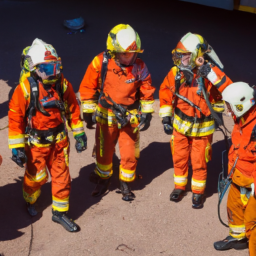
Drills simulate real-life scenarios, allowing teams to practice their response to emergencies or unexpected situations. These exercises help build confidence and ensure that team members know how to act quickly and efficiently under pressure. By incorporating regular training and drills into their routine, teams can maintain high levels of readiness and effectiveness.
The Role of Technology
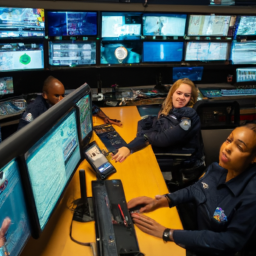
Technology plays a significant role in enhancing crew coordination. From communication tools to monitoring systems, technology provides teams with the resources they need to operate efficiently and safely. For example, digital platforms can facilitate real-time communication, allowing team members to share updates and feedback instantly.
Monitoring systems can track team performance and identify areas for improvement, providing valuable insights that can be used to enhance operations. By leveraging technology, teams can streamline their processes and improve their overall effectiveness. However, it is essential to ensure that all team members are trained in using these tools to maximize their benefits.
Leadership and Team Building
Leadership is a critical component of successful crew coordination. Effective leaders inspire and motivate their teams, fostering a collaborative and supportive environment. They provide guidance and direction, ensuring that each team member understands their role and how they contribute to the team's success.
Team building activities can also enhance crew coordination by strengthening relationships and improving communication. These activities provide team members with the opportunity to bond, build trust, and develop a deeper understanding of each other's strengths and weaknesses. By investing in leadership and team building, organizations can create cohesive and high-performing teams.
Adapting to Change
In dynamic environments, the ability to adapt to change is crucial for crew coordination. Teams must be flexible and able to adjust their strategies and procedures in response to new challenges or unexpected situations. This adaptability requires a willingness to learn and grow, as well as the ability to think critically and problem-solve under pressure.
Organizations can support their teams in adapting to change by providing ongoing training and development opportunities. This ensures that team members are equipped with the skills and knowledge they need to navigate new challenges successfully. By fostering a culture of continuous improvement, teams can remain agile and resilient in the face of change.
Building Trust and Accountability
Trust and accountability are fundamental to effective crew coordination. Team members must be able to rely on each other and trust that each member will fulfill their responsibilities. This trust is built through open communication, transparency, and a shared commitment to the team's goals.
Accountability ensures that each team member is responsible for their actions and performance. By holding each other accountable, teams can maintain high standards and address issues promptly. This accountability also fosters a sense of ownership and pride in the team's achievements, motivating members to strive for excellence.
Evaluating Performance
Regular performance evaluations are essential for maintaining effective crew coordination. These evaluations provide teams with the opportunity to assess their performance, identify areas for improvement, and celebrate successes. By evaluating performance, teams can ensure that they are meeting their goals and continuously improving their operations.
Performance evaluations should be conducted in a constructive and supportive manner, focusing on growth and development rather than criticism. By providing feedback and setting clear goals, teams can work together to enhance their performance and achieve their objectives.
Conclusion: Striving for Excellence
Mastering crew coordination is an ongoing process that requires dedication, communication, and a commitment to continuous improvement. By focusing on key strategies such as communication, role clarity, training, and leadership, teams can enhance their coordination and achieve success in any operation. As industries continue to evolve, the importance of effective crew coordination will only grow, making it essential for organizations to invest in the development of their teams.
By striving for excellence and embracing a culture of collaboration and innovation, teams can overcome any challenge and achieve their goals. Whether on a ship, in the air, or on the ground, effective crew coordination is the key to success.