
Understanding Productivity Tracking
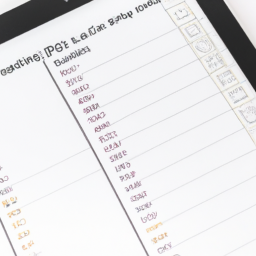
Productivity tracking is a method used to measure and analyze the efficiency of tasks and activities. It helps individuals and organizations to identify areas for improvement and optimize performance. By keeping a record of tasks, time spent, and outcomes, one can gain valuable insights into their work habits and productivity levels. This process involves setting clear goals, using appropriate tools, and regularly reviewing progress to ensure alignment with objectives.
The Benefits of Effective Tracking
Effective tracking offers numerous advantages, including improved time management, better resource allocation, and enhanced focus. By monitoring productivity, individuals can identify patterns and adjust their strategies accordingly. This leads to more efficient use of time and energy, ultimately resulting in higher output and satisfaction. Additionally, tracking progress can provide motivation and accountability, helping to maintain momentum and achieve goals.
Choosing the Right Tools
There are various tools available for productivity tracking, ranging from simple to complex. Popular options include digital planners, time-tracking apps, and project management software. When selecting a tool, consider factors such as ease of use, integration with existing systems, and the ability to customize features to suit your needs. It's important to choose a tool that aligns with your workflow and enhances, rather than hinders, your productivity.
Setting Realistic Goals
Goal setting is a crucial component of productivity tracking. To be effective, goals should be specific, measurable, achievable, relevant, and time-bound (SMART). By setting realistic goals, you can create a clear roadmap for success and avoid the pitfalls of overcommitting or underestimating your capabilities. Regularly reviewing and adjusting goals ensures that they remain aligned with your overall objectives and priorities.
Measuring Progress and Adjusting Strategies
Tracking productivity involves not only measuring progress but also adjusting strategies as needed. This requires a willingness to reflect on successes and failures, and to adapt methods accordingly. Regularly reviewing progress helps to identify areas for improvement and to celebrate achievements. By maintaining a flexible approach, you can ensure that your productivity strategies remain effective and relevant.
The Role of Technology in Productivity
Technology plays a significant role in enhancing productivity. Digital tools and platforms offer a range of features designed to streamline workflows, automate repetitive tasks, and facilitate communication and collaboration. By leveraging technology, individuals and organizations can increase efficiency and reduce the time spent on administrative tasks. However, it's important to use technology mindfully to avoid distractions and maintain focus.
Common Challenges and How to Overcome Them
Despite the benefits of productivity tracking, there are common challenges that individuals may face. These include procrastination, lack of motivation, and difficulty maintaining consistency. To overcome these challenges, it's essential to develop strong habits, set clear priorities, and seek support when needed. Additionally, staying adaptable and open to change can help to navigate obstacles and maintain progress.
Insights from Productivity Experts
Productivity experts offer valuable insights into effective tracking methods and strategies. They emphasize the importance of self-awareness, discipline, and continuous learning. By adopting a growth mindset and seeking out new techniques, individuals can enhance their productivity and achieve their goals. Learning from experts can provide inspiration and guidance, helping to refine and improve productivity practices.
Case Studies: Success Stories in Productivity
Examining case studies of successful productivity tracking can provide practical examples and inspiration. These stories highlight the diverse approaches and strategies used by individuals and organizations to achieve remarkable results. By analyzing these examples, readers can gain a deeper understanding of the principles and practices that contribute to productivity success.
Conclusion: Mastering Productivity
Mastering productivity through effective tracking is an ongoing journey that requires dedication, reflection, and adaptation. By understanding the principles of productivity tracking and applying the right tools and techniques, individuals can achieve greater efficiency and success. Embracing a proactive approach to productivity can lead to a more fulfilling and balanced life, both personally and professionally.