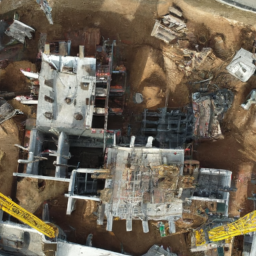

Understanding Construction Project Tracking
Construction project tracking is a critical component of project management that ensures all tasks and activities are completed on time and within budget. It involves monitoring progress, managing resources, and adjusting plans as necessary. Effective tracking can prevent delays and cost overruns, making it a vital skill for project managers. By understanding the fundamentals of project tracking, managers can better coordinate teams and ensure successful project outcomes.
Tools and Software for Effective Project Management
There are numerous tools and software available to aid in construction project tracking. These tools help managers plan, execute, and monitor projects more efficiently. Popular software includes Microsoft Project, Primavera P6, and Procore. These platforms offer features like scheduling, resource allocation, and progress tracking. Selecting the right tool depends on the project's size, complexity, and specific requirements.
Setting Realistic Timelines and Milestones
Establishing realistic timelines and milestones is crucial for successful project tracking. This involves breaking down the project into manageable phases and setting achievable goals. A well-structured timeline helps keep the project on track and provides a clear roadmap for all stakeholders. It's important to consider potential risks and build in contingencies to accommodate unforeseen challenges.
Effective Communication and Reporting
Clear communication and regular reporting are essential for effective project tracking. Project managers should establish open lines of communication with all team members and stakeholders. Regular updates and progress reports help keep everyone informed and aligned with project goals. Utilizing communication tools like Slack or Microsoft Teams can facilitate real-time collaboration and information sharing.
Overcoming Common Challenges in Project Tracking
Construction projects often face challenges such as resource shortages, weather delays, and regulatory changes. Anticipating these issues and developing strategies to mitigate them is key to maintaining project momentum. Flexibility and adaptability are crucial traits for project managers, enabling them to respond swiftly to changing circumstances and minimize disruptions.
The Role of Technology in Modern Construction Tracking
Advancements in technology have revolutionized construction project tracking. Drones, GPS, and Building Information Modeling (BIM) are just a few examples of how technology is improving accuracy and efficiency. These tools provide real-time data and insights, allowing project managers to make informed decisions and optimize resource allocation.
Case Studies: Successful Project Tracking in Action
Examining case studies of successful construction projects can provide valuable insights into effective project tracking. For instance, the use of integrated project management software in a large-scale infrastructure project led to on-time completion and significant cost savings. Analyzing these examples can help project managers identify best practices and apply them to their own projects.
Training and Development for Project Managers
Continuous training and development are essential for project managers to stay updated with the latest tools and techniques in project tracking. Workshops, seminars, and online courses can provide valuable learning opportunities. Investing in professional development ensures that project managers are equipped to handle the complexities of modern construction projects.
Future Trends in Construction Project Tracking
The construction industry is constantly evolving, and project tracking is no exception. Emerging trends such as artificial intelligence, machine learning, and automation are poised to transform how projects are managed. Staying ahead of these trends can give project managers a competitive edge and enhance project outcomes.
Conclusion: Achieving Success Through Mastery of Project Tracking
Mastering construction project tracking is a journey that requires dedication, continuous learning, and the right tools. By understanding the principles of effective tracking, leveraging technology, and fostering strong communication, project managers can ensure successful project completions. As the industry continues to evolve, staying informed and adaptable will be key to achieving long-term success.