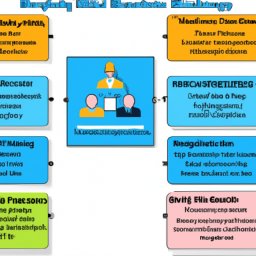

Introduction to Builder Management Systems
Builder management systems are comprehensive software solutions designed to streamline various aspects of construction project management. These systems offer a range of functionalities, from scheduling and budgeting to resource allocation and communication. By centralizing these processes, builder management systems help construction companies enhance efficiency, reduce errors, and improve overall project outcomes. In this section, we will delve into the core features of these systems and how they can be tailored to meet the unique needs of different construction projects.
The Benefits of Digital Transformation in Construction
Digital transformation has become a buzzword across industries, and construction is no exception. By adopting digital tools such as builder management systems, construction companies can experience significant improvements in productivity, accuracy, and collaboration. These systems enable real-time data sharing, which facilitates better decision-making and problem-solving. Moreover, digital tools can help reduce paperwork, minimize delays, and enhance safety on construction sites. This section will explore the myriad benefits that digital transformation brings to the construction industry.
Key Features of a Builder Management System
A robust builder management system encompasses a wide array of features that cater to different aspects of construction management. These features typically include project scheduling, cost estimation, resource management, document control, and communication tools. Advanced systems may also offer integration with other software, such as BIM (Building Information Modeling) and ERP (Enterprise Resource Planning) systems. Understanding these features is crucial for selecting the right system for your construction projects. In this section, we will provide a detailed overview of the key features to look for in a builder management system.
Implementing a Builder Management System: Best Practices
Successfully implementing a builder management system requires careful planning and execution. It is essential to involve all stakeholders in the process, from project managers and engineers to on-site workers. Training and support are critical to ensuring that users are comfortable with the new system and can maximize its potential. Additionally, setting clear goals and metrics for success can help measure the impact of the system on project outcomes. This section will outline best practices for implementing a builder management system in your construction projects.
Overcoming Challenges in System Adoption
Adopting a new builder management system can present several challenges, including resistance to change, technical issues, and budget constraints. Addressing these challenges requires a strategic approach that involves clear communication, stakeholder engagement, and continuous support. It is also important to choose a system that is user-friendly and scalable to accommodate future growth. In this section, we will discuss common challenges in system adoption and provide strategies for overcoming them.
Case Studies: Success Stories in Construction Management
Real-world examples of successful builder management system implementations can provide valuable insights and inspiration. In this section, we will examine case studies from various construction companies that have leveraged these systems to achieve remarkable results. From reducing project timelines to improving cost efficiency, these success stories highlight the transformative power of builder management systems in the construction industry.
The Role of Data Analytics in Construction Management
Data analytics plays a crucial role in modern construction management by providing actionable insights that drive decision-making. Builder management systems often include analytics tools that enable project managers to track key performance indicators, identify trends, and optimize processes. By harnessing the power of data, construction companies can enhance productivity, reduce waste, and improve project outcomes. This section will explore the role of data analytics in construction management and how it can be integrated into builder management systems.
Future Trends in Construction Management Technology
The construction industry is constantly evolving, with new technologies emerging to address the challenges of modern project management. From artificial intelligence and machine learning to the Internet of Things (IoT) and drones, these technologies are set to revolutionize the way construction projects are managed. In this section, we will explore future trends in construction management technology and how builder management systems are adapting to these changes to stay ahead of the curve.
Choosing the Right Builder Management System for Your Needs
Selecting the right builder management system is a critical decision that can significantly impact the success of your construction projects. It is important to consider factors such as system functionality, ease of use, scalability, and cost. Additionally, evaluating vendor reputation and customer support can help ensure a smooth implementation process. This section will provide guidance on choosing the right builder management system to meet your specific needs and goals.
Conclusion: Embracing the Future of Construction Management
As the construction industry continues to embrace digital transformation, builder management systems are becoming an essential tool for project success. By streamlining operations, enhancing collaboration, and leveraging data analytics, these systems empower construction companies to achieve their goals more efficiently and effectively. In conclusion, embracing a builder management system is a strategic investment that can drive innovation and growth in the construction industry.