Understanding Cost Management in Construction
Cost management is a critical component of any construction project. It involves planning, estimating, budgeting, financing, funding, managing, and controlling costs so that the project can be completed within the approved budget. Effective cost management ensures that the project is financially viable and that resources are used efficiently. Contractors must have a clear understanding of the costs associated with their projects to make informed decisions and avoid financial pitfalls.
Budgeting and Forecasting Techniques
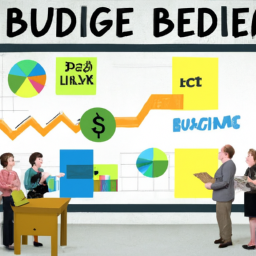
One of the first steps in effective cost management is developing a comprehensive budget. This involves estimating the costs associated with each phase of the project and allocating resources accordingly. Contractors can use various forecasting techniques, such as historical data analysis and predictive modeling, to anticipate future costs and adjust their budgets as needed. Accurate budgeting helps contractors avoid overspending and ensures that funds are available for unexpected expenses.
Leveraging Technology for Cost Management
Technology plays a vital role in modern cost management strategies. Contractors can use software tools to track expenses, monitor project progress, and generate financial reports. These tools provide real-time data that can help contractors make informed decisions and identify cost-saving opportunities. Additionally, technology can automate many cost management processes, reducing the risk of human error and increasing efficiency.
Managing Labor Costs
Labor costs are a significant expense for contractors, and managing these costs is essential for maintaining profitability. Contractors can implement strategies such as optimizing workforce scheduling, using subcontractors strategically, and investing in employee training to improve productivity. By managing labor costs effectively, contractors can ensure that they are getting the best value for their investment in human resources.
Controlling Material Costs
Material costs can fluctuate due to market conditions, supply chain disruptions, and other factors. Contractors can mitigate these risks by establishing strong relationships with suppliers, negotiating favorable terms, and purchasing materials in bulk when possible. Additionally, contractors can explore alternative materials that offer cost savings without compromising quality. By controlling material costs, contractors can protect their profit margins and maintain project budgets.
The Role of Communication in Cost Management
Effective communication is essential for successful cost management. Contractors must communicate clearly with clients, suppliers, and team members to ensure that everyone is on the same page. Regular meetings and updates can help identify potential cost issues early and allow for timely interventions. Transparent communication also builds trust and fosters collaboration, which can lead to more efficient and cost-effective project execution.
Risk Management and Cost Control
Risk management is closely tied to cost management, as unforeseen risks can lead to significant cost overruns. Contractors should conduct thorough risk assessments to identify potential threats to their projects and develop contingency plans to address them. By proactively managing risks, contractors can minimize their impact on project costs and timelines.
Implementing Cost Control Measures
Cost control measures are essential for keeping projects on budget. Contractors can implement measures such as regular cost audits, variance analysis, and performance reviews to monitor expenses and identify areas for improvement. By continuously evaluating their cost management strategies, contractors can make adjustments as needed to ensure that they remain effective.
Case Studies of Successful Cost Management
Examining case studies of successful cost management can provide valuable insights for contractors. These case studies highlight best practices and innovative strategies that have been used to manage costs effectively in various construction projects. By learning from the experiences of others, contractors can apply proven techniques to their own projects and achieve similar success.
Future Trends in Cost Management
The field of cost management is constantly evolving, with new trends and technologies emerging regularly. Contractors should stay informed about the latest developments in cost management to remain competitive. Emerging trends such as sustainable construction practices, integrated project delivery, and advanced data analytics offer new opportunities for cost savings and efficiency improvements. By embracing these trends, contractors can enhance their cost management strategies and position themselves for future success.