Understanding Initial Budget Estimates
Accurate initial estimates are the foundation of successful budget tracking. These estimates should account for all possible expenses, including materials, labor, and unforeseen costs. It's essential to work closely with architects and engineers to ensure all aspects of the project are considered. This initial phase sets the tone for the entire project, and inaccuracies can lead to significant budget overruns and delays. Therefore, investing time and resources into a detailed planning phase can save money and time in the long run.
Choosing the Right Budget Tracking Software
In today's digital age, leveraging technology is crucial for efficient budget management. Numerous software solutions are available that offer real-time tracking and reporting features. These tools can help project managers monitor expenses, compare them against the budget, and make necessary adjustments promptly. When selecting software, consider factors such as user-friendliness, integration capabilities with existing systems, and the ability to generate detailed reports. A well-chosen tool can streamline processes and enhance transparency across the project team.
Regular Budget Reviews and Adjustments
Regularly reviewing the budget is vital to ensure that the project stays on track. These reviews should be scheduled at key project milestones and whenever significant changes occur. During these reviews, compare actual expenses with the budgeted amounts and analyze any discrepancies. It's crucial to identify the causes of these variances and address them promptly. Adjustments may involve reallocating resources or revising project timelines to accommodate new information. This proactive approach helps in mitigating risks and avoiding budget overruns.
Effective Communication Among Stakeholders
Clear and consistent communication among all stakeholders is essential for successful budget management. Project managers should establish regular meetings and updates to ensure everyone is informed about the project's financial status. This communication should include not only the project team but also clients, suppliers, and subcontractors. By fostering a culture of transparency and collaboration, potential issues can be identified early, and solutions can be developed collectively. This collaborative approach can lead to more innovative solutions and a more efficient use of resources.
Learning from Past Projects
Analyzing past projects provides valuable insights that can improve future budget tracking efforts. By reviewing what worked well and what didn't, project managers can identify patterns and develop best practices. This analysis should include a review of budget estimates, tracking methods, and the effectiveness of communication strategies. Documenting these findings and sharing them with the team can lead to continuous improvement and more accurate future budgeting. Learning from past experiences is a powerful tool for refining processes and achieving better project outcomes.
Managing Unexpected Costs
Unexpected costs are a common challenge in construction projects. To manage these effectively, it's important to include a contingency fund in the initial budget. This fund acts as a financial buffer for unforeseen expenses, such as changes in material prices or unexpected site conditions. Regular monitoring and adjusting of the contingency fund are necessary to ensure it remains adequate throughout the project. Additionally, maintaining strong relationships with suppliers and subcontractors can provide flexibility in managing unexpected costs.
The Role of a Dedicated Budget Manager
Appointing a dedicated budget manager can significantly enhance budget tracking efficiency. This individual is responsible for overseeing all financial aspects of the project, ensuring that expenses are tracked accurately and that the budget remains balanced. The budget manager should work closely with the project manager and other team members to provide real-time financial insights and recommendations. Having a dedicated professional focusing on the budget allows other team members to concentrate on their specific responsibilities, leading to a more organized and efficient project execution.
Incorporating Sustainable Practices
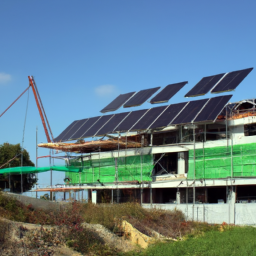
Sustainability is becoming increasingly important in construction projects. Incorporating sustainable practices can lead to cost savings and improved budget management. This includes using energy-efficient materials, recycling waste, and implementing green building techniques. These practices can reduce long-term operational costs and enhance the project's overall value. Additionally, many clients and stakeholders now prioritize sustainability, making it a key consideration in budget planning and execution.
Utilizing Data Analytics for Budget Insights
Data analytics can provide powerful insights into budget management. By analyzing data from past projects, project managers can identify trends and predict future expenses more accurately. This data-driven approach allows for more informed decision-making and can lead to more precise budget estimates. Implementing data analytics tools can also help in identifying areas where costs can be reduced without compromising quality. This strategic use of data can enhance overall project efficiency and success.
Future Trends in Construction Budgeting
The construction industry is constantly evolving, and new budgeting trends are emerging. These include the use of artificial intelligence for predictive budgeting, blockchain technology for enhanced transparency, and virtual reality for more accurate project planning. Staying informed about these trends and incorporating them into budget management strategies can provide a competitive edge. As technology continues to advance, project managers must adapt to these changes to maintain effective budget control and project success.