Understanding Construction Task Management
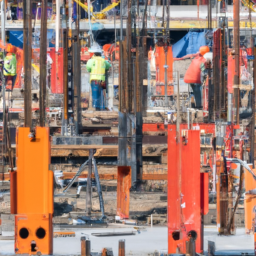
Construction task management involves planning, executing, and monitoring various tasks required to complete a construction project. It requires a comprehensive understanding of project goals, timelines, resources, and constraints. Effective task management ensures that all project components are aligned and progressing smoothly. This section delves into the fundamentals of construction task management, highlighting its significance in the industry.
Key Components of Task Management
Successful construction task management relies on several key components, including clear communication, detailed planning, and efficient resource allocation. Each component plays a crucial role in ensuring that tasks are completed on schedule and within budget. By understanding these components, construction managers can develop robust strategies to manage their projects more effectively.
Tools and Software for Task Management
In today's digital age, various tools and software solutions are available to assist construction managers in task management. From project management software to mobile apps, these tools offer features such as scheduling, resource tracking, and real-time collaboration. This section explores the most popular tools and their benefits, helping managers choose the right solutions for their projects.
Strategies for Effective Team Collaboration
Collaboration is essential in construction task management, as it involves multiple stakeholders working towards a common goal. Effective collaboration strategies include regular meetings, open communication channels, and the use of collaborative tools. By fostering a collaborative environment, construction teams can enhance productivity and ensure project success.
Risk Management in Construction
Risk management is a critical aspect of construction task management. Identifying potential risks early and developing mitigation strategies can prevent project delays and cost overruns. This section discusses common construction risks and offers practical advice on managing them effectively, ensuring projects stay on track.
Problem-Solving Techniques for Construction Managers
Construction projects often encounter unexpected challenges that require quick and effective problem-solving. Construction managers must be adept at identifying issues, analyzing potential solutions, and implementing corrective actions. This section provides insights into problem-solving techniques that can help managers navigate complex situations successfully.
Optimizing Resource Allocation
Efficient resource allocation is vital for successful construction task management. This involves ensuring that the right resources are available at the right time, minimizing waste, and maximizing productivity. By optimizing resource allocation, construction managers can improve project efficiency and reduce costs.
Continuous Improvement in Task Management
Continuous improvement is a key principle in construction task management. By regularly reviewing processes and outcomes, managers can identify areas for improvement and implement changes to enhance efficiency and effectiveness. This section explores methods for fostering a culture of continuous improvement in construction teams.
Future Trends in Construction Task Management
The construction industry is constantly evolving, with new trends and technologies shaping task management practices. From the adoption of artificial intelligence to the use of drones, this section examines emerging trends that are set to revolutionize construction task management in the coming years.
Case Studies: Successful Task Management in Construction
Examining real-world case studies provides valuable insights into successful construction task management practices. This section presents examples of projects that have effectively implemented task management strategies, highlighting the lessons learned and the impact on project outcomes.