Understanding Custom Home Building
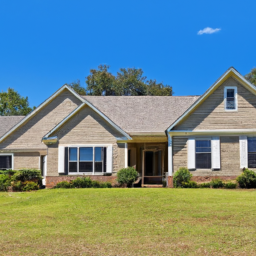
Custom home building is a process that allows homeowners to work closely with builders to create a house that meets their specific needs and desires. Unlike purchasing a pre-built home, custom building offers the flexibility to choose every detail, from the layout to the materials used. This process can be complex, requiring careful planning and consideration of various factors such as budget, location, and design preferences. Homeowners often start by selecting a reputable builder who can guide them through the process, ensuring that the final product aligns with their vision.
Selecting the Right Builder
Choosing the right custom home builder is perhaps the most critical decision in the home-building process. A good builder will not only have the technical skills and experience but will also be someone you can communicate with effectively. It's essential to research potential builders thoroughly, checking references, reviewing past projects, and understanding their building philosophy. Meeting with multiple builders can provide insight into their approach and help you find the best fit for your project. The right builder will listen to your needs, offer valuable suggestions, and work collaboratively to bring your dream home to life.
Designing Your Dream Home
The design phase of custom home building is where creativity and practicality meet. Homeowners have the opportunity to work with architects and designers to create a layout that reflects their lifestyle and aesthetic preferences. This stage involves making decisions about the home's size, room configurations, and architectural style. It's also the time to consider elements like energy efficiency, smart home technology, and sustainable materials. Collaborating with professionals who understand your vision can help ensure that the design is both beautiful and functional, setting the stage for a successful build.
Budgeting and Financial Planning
Building a custom home is a significant financial investment, and careful budgeting is essential to avoid unexpected costs. Homeowners should work closely with their builder and financial advisors to establish a realistic budget that accounts for all aspects of the project, including land acquisition, construction, and finishing touches. It's important to include a contingency fund for unforeseen expenses and to regularly review the budget throughout the project. Transparent communication with the builder about financial constraints can help keep the project on track and prevent cost overruns.
The Construction Process
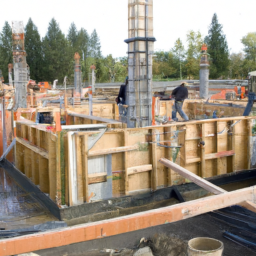
Once the design and budget are finalized, the construction phase begins. This stage involves site preparation, foundation work, framing, and the installation of systems like plumbing and electrical. Regular site visits and updates from the builder keep homeowners informed of progress and allow for adjustments if needed. Understanding the construction timeline and key milestones can help manage expectations and reduce stress. Working with a builder who provides clear communication and detailed schedules ensures that the project moves forward smoothly.
Incorporating Sustainable Practices
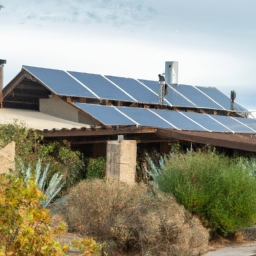
Sustainability is an increasingly important consideration in custom home building. Many homeowners are opting for eco-friendly designs that reduce environmental impact and enhance energy efficiency. This can include using sustainable materials, installing solar panels, and incorporating water-saving fixtures. Builders with experience in green building practices can offer valuable insights and help integrate these elements into the home design. By prioritizing sustainability, homeowners can create a healthier living environment and potentially lower long-term operating costs.
Personalizing Interior Spaces
One of the most exciting aspects of custom home building is the opportunity to personalize interior spaces. From selecting finishes and fixtures to choosing color schemes and furnishings, homeowners can create spaces that reflect their unique style. Working with interior designers can provide inspiration and ensure that each room is cohesive and functional. Attention to detail in areas like kitchen design, bathroom layouts, and living spaces can enhance the overall comfort and enjoyment of the home. Personal touches and thoughtful design choices make a custom home truly one-of-a-kind.
Managing Challenges and Expectations
Building a custom home is a complex process that can come with its share of challenges. Delays, budget adjustments, and design changes are common issues that may arise. It's important for homeowners to maintain open communication with their builder and stay flexible in their approach. Setting realistic expectations and being prepared to adapt can help navigate these challenges effectively. A positive and proactive mindset, combined with a strong partnership with the builder, can lead to a successful and rewarding home-building experience.
Finalizing and Moving In
As the construction phase comes to an end, the focus shifts to finalizing details and preparing for move-in. This includes completing inspections, addressing any remaining issues, and ensuring that all systems are functioning properly. Homeowners should conduct a thorough walk-through with the builder to confirm that everything meets their expectations. Once the final touches are complete, it's time to move in and enjoy the new home. Celebrating this milestone marks the culmination of months or even years of planning and effort, transforming a vision into reality.
Maintaining Your Custom Home
After moving into a custom home, ongoing maintenance is key to preserving its beauty and functionality. Regular upkeep, such as cleaning, inspections, and repairs, helps protect the home's value and ensures it remains a comfortable living space. Homeowners should establish a maintenance schedule and work with professionals for specialized tasks like HVAC servicing or landscaping. By taking a proactive approach to maintenance, homeowners can enjoy their custom home for years to come, knowing that it continues to reflect their personal style and investment.