The Evolution of Residential Construction
Residential construction has seen a significant transformation over the decades. From traditional brick-and-mortar methods to the incorporation of cutting-edge technology, the industry has evolved to meet the demands of modern living. Builders today are not just focused on erecting structures but are committed to creating sustainable and innovative living spaces that cater to the needs of the future. This evolution is driven by a combination of technological advancements, changing consumer preferences, and a heightened awareness of environmental impact.
Leading Builders in the Industry
The residential construction industry boasts several key players who have made a name for themselves through quality craftsmanship and innovative designs. Companies like Lennar Corporation, D.R. Horton, and PulteGroup have consistently delivered top-notch residential projects that cater to a wide range of demographics. These builders have set benchmarks for others to follow, ensuring that quality and customer satisfaction remain at the forefront of their operations.
Sustainability in Residential Building
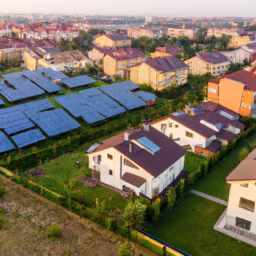
With the growing emphasis on sustainability, top residential builders are incorporating eco-friendly practices into their projects. This includes the use of sustainable materials, energy-efficient designs, and waste reduction strategies. Builders are also focusing on creating green spaces and integrating renewable energy sources, such as solar panels, to reduce the carbon footprint of residential buildings. These initiatives not only benefit the environment but also offer long-term cost savings for homeowners.
Technological Innovations
Technology plays a pivotal role in modern residential construction. From 3D printing to smart home systems, builders are leveraging technology to enhance the quality and efficiency of their projects. Virtual reality and augmented reality are being used for design visualization, allowing clients to experience their future homes before they are built. These innovations are revolutionizing the way residential buildings are designed and constructed, making the process more efficient and customer-centric.
Adapting to Consumer Demands
Today's consumers are more informed and have specific preferences when it comes to their living spaces. Builders are adapting to these demands by offering customizable designs and features that cater to individual tastes. Open floor plans, energy-efficient appliances, and smart home integrations are just some of the features that are becoming standard in modern residential projects. Builders are also focusing on creating community-centric developments that offer amenities such as parks, gyms, and social spaces.
The Role of Design in Residential Construction
The design aspect of residential construction is crucial in creating functional and aesthetically pleasing living spaces. Architects and builders work closely to ensure that the design meets the needs of the clients while also adhering to regulatory standards. The use of sustainable materials and innovative design techniques not only enhances the visual appeal of a project but also contributes to its overall sustainability.
Challenges Facing the Industry
Despite the advancements, the residential construction industry faces several challenges. Rising material costs, labor shortages, and regulatory hurdles are some of the issues that builders must navigate. Additionally, the need to balance cost-efficiency with quality and sustainability presents a constant challenge. However, top builders are finding innovative solutions to these challenges, ensuring the continued growth and success of the industry.
Future Trends in Residential Construction
The future of residential construction looks promising, with several trends set to shape the industry. The rise of smart homes, the increasing demand for sustainable living, and the integration of advanced technologies are expected to drive the industry forward. Builders are also exploring new construction methods, such as modular and prefabricated construction, to enhance efficiency and reduce costs.
Case Studies of Successful Projects
Examining successful residential projects can provide valuable insights into the strategies employed by top builders. Projects like the Hudson Yards development in New York and the Battersea Power Station redevelopment in London showcase the potential of modern residential construction. These projects highlight the importance of collaboration between builders, architects, and developers in creating iconic living spaces.
The Impact of Residential Builders on Communities
Residential builders play a crucial role in shaping communities. By creating well-designed and sustainable living spaces, builders contribute to the overall well-being of residents. The development of residential projects can also stimulate local economies, create jobs, and enhance the quality of life for community members. Top builders understand the importance of community engagement and work closely with stakeholders to ensure that their projects have a positive impact.