The Essence of Pakistani Cuisine
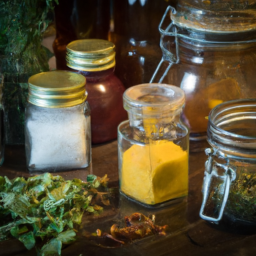
Pakistani cuisine is renowned for its rich flavors and aromatic spices, offering a culinary experience that is both diverse and unique. The use of spices such as cumin, coriander, and turmeric is prevalent, creating a symphony of flavors that are both bold and complex. These spices not only enhance the taste but also contribute to the vibrant colors of Pakistani dishes. The art of balancing these spices is a skill passed down through generations, ensuring that each dish is a masterpiece of taste and aroma.
Regional Specialties
Each region in Pakistan boasts its own culinary specialties, influenced by local ingredients and cultural traditions. In the Punjab region, for example, the cuisine is known for its hearty and flavorful dishes, such as butter chicken and naan. The Sindh region, on the other hand, offers spicy and tangy dishes like Sindhi biryani. Meanwhile, the northern areas of Pakistan are famous for their meat-based dishes, often cooked with dried fruits and nuts, reflecting the influence of Central Asian cuisine.
The Role of Spices and Herbs
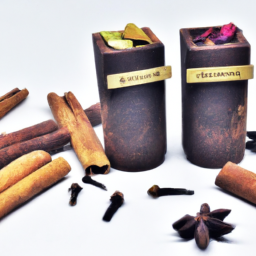
Spices and herbs play a crucial role in Pakistani cooking, not only for flavor but also for their health benefits. Cardamom, cinnamon, and cloves are commonly used in both savory and sweet dishes, adding depth and warmth. Fresh herbs like cilantro and mint are often used as garnishes, providing a refreshing contrast to the rich and spicy flavors. The careful selection and combination of these spices and herbs are what make Pakistani dishes truly memorable.
Traditional Cooking Techniques
Traditional cooking techniques are integral to the preparation of Pakistani food. Slow cooking methods, such as dum pukht, allow the flavors to meld together, creating dishes that are rich and aromatic. Tandoori cooking, which involves roasting meat and bread in a clay oven, imparts a smoky flavor that is highly prized. These techniques, combined with the use of fresh ingredients, ensure that Pakistani cuisine remains authentic and flavorful.
Cultural Influences
Pakistani cuisine reflects a blend of cultural influences from neighboring regions, including India, Afghanistan, and Iran. This fusion of flavors is evident in dishes like kebabs, which are popular throughout the region. The use of rice, lentils, and legumes is also common, reflecting the agricultural practices of the area. These cultural influences have enriched Pakistani cuisine, making it a vibrant and dynamic culinary tradition.
The Importance of Hospitality
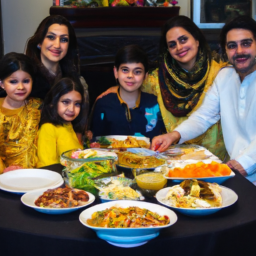
Hospitality is a cornerstone of Pakistani culture, and sharing meals is an important part of social life. Meals are often communal, with large platters of food shared among family and friends. This tradition of hospitality is reflected in the generous portions and variety of dishes served at a typical Pakistani meal. Whether it's a festive occasion or a simple family gathering, the act of sharing food is a way to strengthen bonds and show appreciation.
Popular Pakistani Dishes
Some of the most popular dishes in Pakistani cuisine include biryani, a fragrant rice dish cooked with meat and spices, and nihari, a slow-cooked stew with tender meat and rich gravy. Other favorites include chapli kebabs, which are spiced minced meat patties, and haleem, a hearty dish made with wheat, lentils, and meat. These dishes are not only delicious but also reflect the diverse culinary heritage of Pakistan.
Street Food Delights
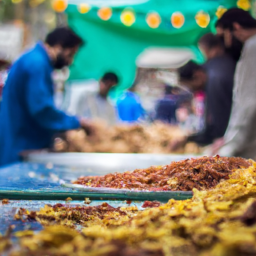
Street food is an integral part of Pakistani cuisine, offering a variety of quick and flavorful snacks. From spicy samosas and crispy pakoras to sweet jalebis and refreshing falooda, the streets of Pakistan are filled with tempting aromas and vibrant colors. Street food vendors are skilled at creating these delicacies, often using traditional recipes that have been passed down through generations.
Modern Influences
While traditional recipes remain popular, modern influences have also made their mark on Pakistani cuisine. Fusion dishes that combine traditional flavors with contemporary cooking techniques are becoming increasingly popular. Chefs are experimenting with new ingredients and presentation styles, creating dishes that are both innovative and delicious. This evolution of Pakistani cuisine ensures that it remains relevant and exciting for future generations.
Conclusion: A Culinary Journey
Exploring the rich flavors and aromas of Pakistani cuisine is a journey that delights the senses and offers a glimpse into the country's vibrant culture. From the bold spices and hearty dishes to the warm hospitality and diverse regional specialties, Pakistani food is a celebration of flavor and tradition. Whether you're enjoying a traditional meal at home or sampling street food on the bustling streets, the culinary heritage of Pakistan is sure to leave a lasting impression.