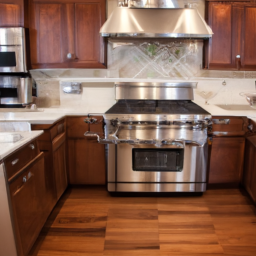

Understanding the Need for Remodeling
Before diving into a remodeling project, it's crucial to understand why you're undertaking it. Whether it's to increase the value of your home, improve functionality, or simply update the style, having a clear goal will guide your decisions. Consider the current state of your home and identify areas that require improvement. This initial assessment sets the foundation for a successful remodel.
Setting a Realistic Budget
Budgeting is a critical aspect of any remodeling project. Begin by researching the costs associated with your desired changes. Factor in materials, labor, and unexpected expenses. It's advisable to set aside an additional 10-20% of your budget for contingencies. By establishing a realistic budget, you can avoid financial strain and ensure the project progresses smoothly.
Planning Your Remodeling Project
Effective planning is the backbone of a successful remodel. Start by creating a detailed plan that outlines your goals, budget, and timeline. Consider consulting with a professional designer or architect to refine your ideas. A well-thought-out plan not only keeps the project on track but also helps in communicating your vision to contractors and suppliers.
Choosing the Right Contractors
Hiring the right contractors is crucial to the success of your remodeling project. Conduct thorough research to find reputable professionals with a proven track record. Obtain multiple quotes and check references to ensure you're making an informed decision. Clear communication and a detailed contract are essential in establishing a strong working relationship.
Incorporating the Latest Design Trends
Home design trends are constantly evolving, offering fresh inspiration for your remodeling project. Consider incorporating elements such as open floor plans, sustainable materials, and smart home technology. However, it's important to balance trends with timeless design to ensure your home remains stylish and functional for years to come.
Managing the Remodeling Process
Once the project is underway, effective management is key to its success. Regularly communicate with your contractors to stay updated on progress and address any issues promptly. Keep track of expenses and timelines to ensure the project stays within budget and schedule. Flexibility and adaptability are important traits during this phase, as unexpected challenges may arise.
DIY vs. Professional Help
Deciding between DIY and professional help depends on the complexity of the project and your skill level. While DIY can save money, it requires time and expertise. For major renovations, hiring professionals is often the best choice to ensure quality and safety. Evaluate your capabilities and the scope of the project to make an informed decision.
Finishing Touches and Decor
The final touches of a remodeling project can make a significant impact. Consider elements such as lighting, paint colors, and furnishings to enhance the overall aesthetic. Personalize your space with decor that reflects your style and personality. These finishing touches can transform a remodeled space into a welcoming and functional environment.
Maintaining Your Newly Remodeled Space
After completing a remodel, it's important to maintain the new space to preserve its condition and value. Regular cleaning, maintenance, and timely repairs are essential. Create a maintenance schedule to address tasks such as HVAC servicing, plumbing checks, and roof inspections. A well-maintained home not only looks great but also functions efficiently.
Evaluating the Success of Your Remodel
Once the project is complete, take time to evaluate its success. Reflect on whether the remodel met your initial goals and expectations. Consider the feedback from family and friends, as well as any lessons learned during the process. This evaluation can provide valuable insights for future projects and ensure continued satisfaction with your living space.