Understanding Architectural Foundations
Architectural foundations are the backbone of any structure, providing the necessary support to maintain stability and integrity. These foundations must be meticulously planned and executed to ensure they can withstand various forces and environmental conditions. The choice of materials, soil analysis, and understanding the load-bearing capacity are crucial steps in this process. Professionals in the field must also consider the aesthetic aspects, as foundations can influence the overall design of a building.
In addition to technical considerations, architects and engineers must adhere to local building codes and regulations, which are designed to ensure safety and compliance. These regulations often dictate specific requirements for depth, materials, and construction methods. By adhering to these standards, professionals can avoid costly mistakes and ensure the longevity of the structure.
Engineering Foundations: Techniques and Materials
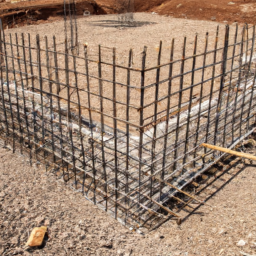
Engineering foundations differ slightly from architectural foundations as they focus more on the technical aspects and the application of engineering principles. The use of advanced materials, such as reinforced concrete and steel, is common in engineering foundations, providing enhanced strength and durability. Engineers must also consider factors such as seismic activity, wind loads, and soil erosion when designing these foundations.
The integration of new technologies, such as computer-aided design (CAD) and building information modeling (BIM), has revolutionized the way engineers approach foundation design. These tools allow for precise calculations and simulations, helping to identify potential issues before construction begins. By leveraging these technologies, engineers can create more efficient and reliable foundations.
Site Operations: Planning and Execution
Effective site operations are essential for the successful completion of any construction project. This phase involves the coordination of various activities, including site preparation, excavation, and the installation of utilities. Proper planning and execution of these operations can significantly impact the overall timeline and cost of a project.
One of the key aspects of site operations is ensuring that all activities comply with environmental regulations. This includes managing waste, minimizing disruption to the surrounding area, and implementing measures to protect local wildlife. By prioritizing sustainability, construction companies can reduce their environmental footprint and contribute to a healthier planet.
Framing Techniques for Structural Integrity
Framing is a critical component of any building, providing the skeleton that supports the entire structure. There are various framing techniques, each with its own advantages and applications. Wood framing, for example, is popular for residential construction due to its cost-effectiveness and ease of use. Steel framing, on the other hand, is often used in commercial buildings for its strength and durability.
In addition to selecting the appropriate materials, professionals must also consider the design and layout of the framing. This includes determining the spacing of beams and columns, as well as the use of trusses and other support elements. By carefully planning the framing, engineers and architects can ensure that the structure is both safe and aesthetically pleasing.
The Role of Technology in Modern Construction
Technology has transformed the construction industry, providing new tools and methods for designing and building structures. From drones and 3D printing to virtual reality and artificial intelligence, these technologies are helping professionals streamline processes and improve accuracy.
One of the most significant advancements in recent years is the use of BIM, which allows for the creation of detailed digital models of buildings. This technology enables architects and engineers to collaborate more effectively, identify potential issues early, and make informed decisions throughout the construction process.
Sustainable Construction Practices
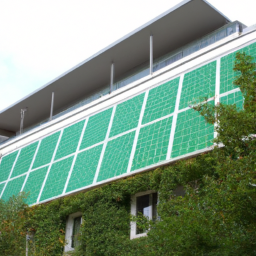
Sustainability is becoming increasingly important in the construction industry as professionals seek to reduce their environmental impact. This involves using eco-friendly materials, minimizing waste, and implementing energy-efficient systems.
Green building certifications, such as LEED and BREEAM, provide frameworks for assessing the sustainability of a project. By adhering to these standards, construction companies can demonstrate their commitment to environmental responsibility and attract environmentally conscious clients.
Challenges and Solutions in Construction
The construction industry faces numerous challenges, from fluctuating material costs to labor shortages and regulatory changes. To overcome these obstacles, professionals must be adaptable and innovative, finding new ways to optimize processes and improve efficiency.
Collaboration and communication are also key to addressing these challenges. By fostering a culture of teamwork and open dialogue, construction companies can ensure that all stakeholders are aligned and working towards common goals.
Case Studies: Success Stories in Architecture and Engineering
Examining successful projects can provide valuable insights into effective construction practices. For example, the Burj Khalifa in Dubai is a testament to the power of innovative engineering and design. This iconic structure was made possible through the use of advanced materials and cutting-edge technologies.
Another example is the Eden Project in the UK, which showcases the potential of sustainable construction. This unique structure uses a combination of natural materials and renewable energy sources to create a self-sustaining environment.
Future Trends in Architecture and Engineering
The future of construction is likely to be shaped by ongoing technological advancements and a growing emphasis on sustainability. As new materials and methods are developed, professionals will have more options for creating innovative and efficient structures.
Automation and robotics are also expected to play a significant role in the industry, helping to reduce labor costs and improve precision. By staying informed about these trends, construction professionals can position themselves for success in a rapidly evolving field.
Conclusion: Building a Better Tomorrow
Mastering the fundamentals of architectural and engineering foundations, site operations, and framing techniques is essential for creating safe, sustainable, and innovative structures. By embracing new technologies and prioritizing sustainability, construction professionals can contribute to a better future for all.
As the industry continues to evolve, those who remain adaptable and forward-thinking will be best positioned to lead the way. By fostering a culture of collaboration and continuous learning, professionals can ensure that they are prepared to meet the challenges and opportunities of tomorrow.