Introduction to Insulation and Soundproofing
Insulation and soundproofing are critical components in the construction and maintenance of mechanical spaces. These techniques not only enhance energy efficiency but also improve the acoustic environment. Understanding the different types of materials available and their specific applications is essential for any carpenter looking to excel in this field.
Types of Insulation Materials
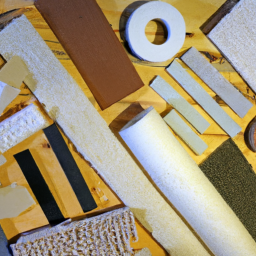
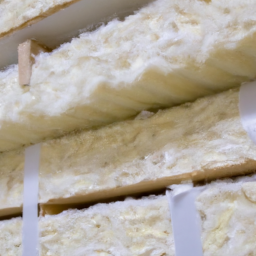
There are various insulation materials available, each with unique properties and applications. Fiberglass, for instance, is a popular choice due to its affordability and thermal resistance. On the other hand, foam boards offer superior moisture resistance, making them ideal for damp environments. Selecting the right material depends on the specific needs and conditions of the space.
Soundproofing Techniques
Soundproofing involves more than just installing materials; it requires a strategic approach to minimize noise transmission. Techniques such as decoupling, adding mass, and using damping compounds can significantly reduce sound levels. These methods are particularly important in mechanical spaces where noise from equipment can be disruptive.
Installation Best Practices
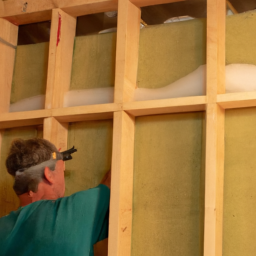
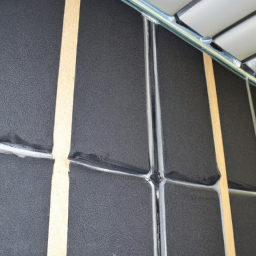
Proper installation is key to effective insulation and soundproofing. This includes ensuring a tight fit, sealing gaps, and avoiding compression of materials. Adhering to these best practices not only enhances performance but also prolongs the lifespan of the materials used.
Maintaining Insulation and Soundproofing
Regular maintenance is crucial to ensure the continued effectiveness of insulation and soundproofing systems. This involves inspecting for damage, replacing worn-out materials, and addressing any moisture issues promptly. By maintaining these systems, you can prevent energy loss and maintain a comfortable acoustic environment.
Innovations in Carpentry
The field of carpentry is constantly evolving, with new materials and techniques emerging regularly. Innovations such as eco-friendly insulation options and advanced soundproofing technologies are transforming how mechanical spaces are constructed and maintained. Staying informed about these developments is essential for carpenters who wish to stay ahead in the industry.
Environmental Considerations
As sustainability becomes increasingly important, choosing environmentally friendly materials and methods is crucial. This includes selecting recycled or renewable materials and minimizing waste during installation. These practices not only benefit the environment but also appeal to eco-conscious clients.
Cost Considerations
While high-quality insulation and soundproofing materials can be costly, they often result in long-term savings through reduced energy bills and increased property value. Understanding the cost-benefit analysis of different options can help clients make informed decisions that align with their budget and goals.
Case Studies
Examining real-world examples of successful insulation and soundproofing projects can provide valuable insights. These case studies highlight the challenges faced and the solutions implemented, offering practical lessons for carpenters and builders alike.
Conclusion
Mastering insulation and soundproofing techniques in fine carpentry is essential for creating functional and comfortable mechanical spaces. By understanding the materials, techniques, and best practices involved, carpenters can deliver superior results that meet the needs of their clients and stand the test of time.