Introduction to Electrical Systems
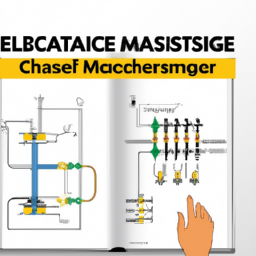
Electrical systems are the backbone of modern living, providing power to our homes, workplaces, and industries. Understanding these systems is essential for anyone looking to work with or understand the basics of electricity. This section introduces the core concepts of electrical systems, including the flow of electricity, the role of power sources, and the importance of having a reliable electrical infrastructure.
Components of a Residential Electrical System
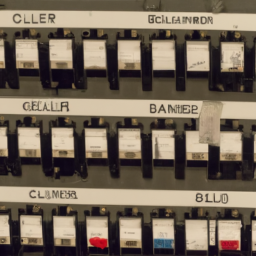
A typical residential electrical system comprises several key components, including the service entrance, electrical panel, circuit breakers, and wiring. Each component plays a vital role in distributing electricity safely and efficiently throughout the home. The service entrance is where electricity enters the home, while the electrical panel houses the circuit breakers that control the flow of electricity to various circuits.
Understanding Circuit Breakers and Fuses
Circuit breakers and fuses are critical safety devices designed to protect electrical circuits from overloads and short circuits. When a fault occurs, these devices interrupt the flow of electricity, preventing damage to the electrical system and reducing the risk of fire. This section covers the different types of circuit breakers and fuses, how they work, and their importance in maintaining electrical safety.
Basic Wiring Techniques
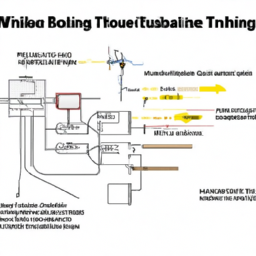
Wiring is an essential aspect of any electrical system, providing pathways for electricity to travel from the source to various outlets and devices. Understanding basic wiring techniques is crucial for ensuring safe and efficient electrical installations. This section explores different wiring methods, the types of wires used, and the importance of following electrical codes and standards.
Electrical Safety and Best Practices
Safety is paramount when working with electrical systems. This section provides an overview of best practices for electrical safety, including the use of personal protective equipment, understanding electrical hazards, and following proper procedures when working with electricity. Emphasizing safety helps prevent accidents and ensures the longevity of electrical installations.
Advanced Electrical Concepts
For those looking to deepen their understanding of electrical systems, this section covers more advanced concepts such as electrical load calculations, power factor, and the role of transformers. These topics are essential for designing and maintaining efficient electrical systems, especially in commercial and industrial settings.
Emerging Technologies in Electrical Systems
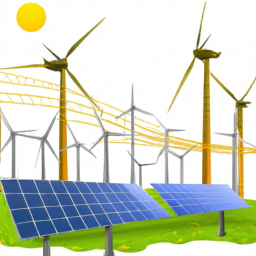
The field of electrical systems is constantly evolving, with new technologies and innovations emerging regularly. This section explores the latest trends in electrical systems, including smart grids, renewable energy integration, and the use of IoT devices in managing electrical consumption. Understanding these trends is crucial for staying ahead in the field of electrical engineering.
Troubleshooting Common Electrical Issues
Even the best-designed electrical systems can encounter issues over time. This section provides a guide to troubleshooting common electrical problems, such as circuit overloads, tripped breakers, and faulty wiring. Knowing how to identify and resolve these issues can save time and money, and prevent potential hazards.
Regulations and Standards in Electrical Systems
Compliance with electrical regulations and standards is essential for ensuring the safety and reliability of electrical systems. This section covers the key regulations and standards that govern electrical installations, including the National Electrical Code (NEC) and international standards. Understanding these regulations helps ensure that electrical work is performed safely and legally.
The Future of Electrical Systems
As technology continues to advance, the future of electrical systems looks promising. This section explores potential future developments in the field, such as the increased use of renewable energy sources, advancements in energy storage solutions, and the integration of artificial intelligence in electrical system management. These innovations have the potential to transform the way we generate, distribute, and consume electricity.