Understanding Plumbing Wall Basics
Plumbing walls are integral to the infrastructure of any building, serving as the backbone for water supply and drainage systems. A typical plumbing wall contains pipes, fittings, and fixtures that ensure the smooth delivery and removal of water. Understanding the basic structure of plumbing walls is essential for any DIY enthusiast. These walls are often thicker than standard walls to accommodate the necessary pipes and fittings, providing space for insulation and soundproofing as well. Knowing the components and their functions can help you plan and execute your plumbing projects more effectively.
Planning Your Plumbing System
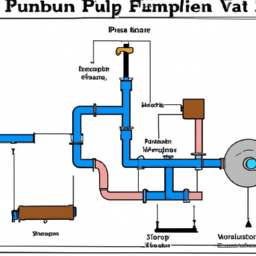
Effective planning is crucial when it comes to plumbing walls. Begin by mapping out the layout of your plumbing system, considering factors such as water pressure, flow rate, and pipe size. It's important to ensure that your design complies with local building codes and regulations. Use detailed diagrams to visualize the placement of pipes, fixtures, and valves. This planning phase is also an excellent time to determine the types of materials you will need, such as PVC, copper, or PEX pipes. Proper planning can prevent costly mistakes and ensure a smooth installation process.
Essential Tools and Materials
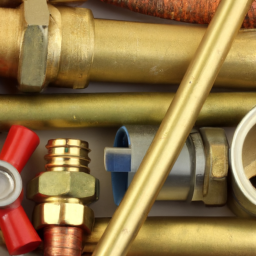
Having the right tools and materials is essential for any plumbing project. Basic tools include pipe cutters, wrenches, pliers, and soldering equipment. Depending on the complexity of your project, you may also need specialized tools such as a pipe bender or a pipe threader. When it comes to materials, choose high-quality pipes and fittings that are compatible with your existing plumbing system. It's also important to have a reliable sealant and tape on hand to ensure leak-free connections. Investing in quality tools and materials will pay off in the long run by ensuring the durability and reliability of your plumbing system.
Common Plumbing Challenges
Even the most well-planned plumbing projects can encounter challenges. Common issues include leaks, blockages, and pressure imbalances. Leaks can occur at joints and connections, often due to improper sealing or aging pipes. Blockages are typically caused by debris buildup in pipes and can lead to slow drainage or backups. Pressure imbalances may result from incorrectly sized pipes or faulty pressure regulators. Addressing these challenges requires a combination of troubleshooting skills and practical knowledge. Regular maintenance and inspections can help identify potential problems before they escalate.
Advanced Plumbing Wall Techniques
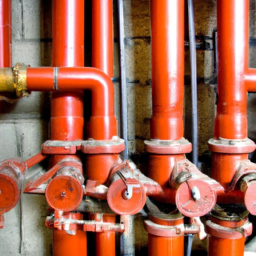
For those looking to take their plumbing skills to the next level, advanced techniques can offer improved efficiency and performance. One such technique is the use of manifold systems, which allow for centralized control of water distribution. This system can reduce pressure drops and improve water flow throughout the building. Another advanced technique is the integration of smart plumbing technologies, such as leak detection sensors and automated shut-off valves. These innovations can enhance the functionality and safety of your plumbing system, providing peace of mind and convenience.
Insulating and Soundproofing Plumbing Walls
Insulation and soundproofing are important considerations for plumbing walls, especially in residential settings. Proper insulation can prevent heat loss and protect pipes from freezing in cold climates. It also reduces energy consumption and improves the efficiency of hot water systems. Soundproofing is equally important, as it minimizes noise from running water, which can be disruptive in living spaces. Use materials such as foam insulation or acoustic panels to achieve the desired level of soundproofing. These enhancements can significantly improve the comfort and functionality of your home.
DIY Plumbing Wall Installation Tips
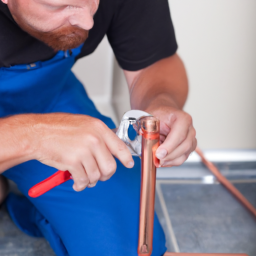
When installing plumbing walls, it's important to follow a systematic approach. Start by measuring and marking the wall layout, ensuring that all pipes and fixtures are accurately positioned. Use a level to maintain straight lines and uniform spacing. When cutting pipes, measure twice to avoid mistakes and ensure precise cuts. Assemble the pipes and fittings securely, using appropriate sealants and tapes to prevent leaks. If you're soldering copper pipes, ensure that the joints are clean and properly fluxed before applying heat. Taking the time to do it right will result in a professional-looking installation.
Maintaining Your Plumbing System
Regular maintenance is key to the longevity and performance of your plumbing system. Inspect your plumbing walls periodically for signs of wear and tear, such as corrosion or leaks. Clean drains and traps regularly to prevent blockages and ensure smooth water flow. If you notice any unusual noises or changes in water pressure, investigate the cause promptly to prevent further damage. Consider scheduling professional inspections every few years to identify potential issues and perform necessary repairs. A well-maintained plumbing system can save you time and money in the long run.
Safety Considerations for DIY Plumbing
Safety should always be a priority when undertaking DIY plumbing projects. Wear appropriate personal protective equipment, such as gloves and goggles, to protect yourself from injuries. Be cautious when working with power tools and hot materials, such as soldering irons. Ensure that your work area is well-ventilated to avoid inhaling fumes from adhesives or sealants. Familiarize yourself with the location of shut-off valves and emergency controls in case of leaks or accidents. By taking these precautions, you can minimize risks and ensure a safe working environment.
Resources for Further Learning
To enhance your plumbing skills, consider exploring additional resources such as online tutorials, workshops, and industry publications. Many websites offer comprehensive guides and videos on various plumbing topics, catering to different skill levels. Joining a local DIY or home improvement group can also provide valuable insights and support from fellow enthusiasts. Additionally, consider enrolling in a certified plumbing course to gain formal training and accreditation. Continuous learning and practice will help you master the art of plumbing walls and tackle more complex projects with confidence.