
Understanding the Role of a General Contractor
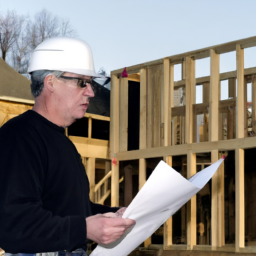
A general contractor is responsible for overseeing the day-to-day operations of a construction project. They coordinate with subcontractors, ensure compliance with building codes, and manage timelines and budgets. The contractor acts as the main point of contact for the client, ensuring all aspects of the project align with the client's vision and requirements. Understanding this role is essential for effective collaboration and project success.
Evaluating Potential Contractors
When evaluating potential contractors, it's important to consider their experience, reputation, and past projects. Start by checking online reviews and asking for references from previous clients. A contractor's portfolio can provide insight into their capabilities and areas of expertise. Additionally, ensure they have the necessary licenses and insurance to protect both parties in case of unforeseen issues.
Negotiating Contracts and Managing Budgets
Negotiating a fair contract is a critical step in hiring a contractor. The contract should clearly outline the scope of work, payment terms, and project timeline. It's advisable to seek legal advice to ensure the terms are fair and protect your interests. Managing the budget involves regular communication with the contractor to track expenses and make necessary adjustments to avoid cost overruns.
Common Pitfalls in Hiring Contractors
One common pitfall is hiring a contractor based solely on price. While budget considerations are important, the lowest bid might not always be the best choice. It's crucial to consider the contractor's reliability, quality of work, and ability to meet deadlines. Another pitfall is failing to check references or verify credentials, which can lead to subpar work or legal complications.
Verifying Credentials and References
Before hiring a contractor, it's essential to verify their credentials and references. Check with local licensing authorities to ensure their licenses are up to date. Contact previous clients to inquire about their experiences and satisfaction with the contractor's work. This due diligence can prevent potential issues and ensure a smoother project execution.
Effective Communication with Your Contractor
Maintaining open and clear communication with your contractor is vital for project success. Establish regular meetings to discuss progress, address any concerns, and make decisions collaboratively. Clear communication helps prevent misunderstandings and ensures the project stays on track. Documenting all communications can also serve as a reference in case of disputes.
Managing Changes and Unexpected Challenges
Construction projects often face changes and unexpected challenges. It's important to have a flexible approach and a plan for managing changes without disrupting the project timeline or budget. Work closely with your contractor to assess the impact of changes and develop solutions that align with your goals while minimizing delays and additional costs.
Ensuring Quality and Compliance
Quality assurance and compliance with building codes are critical aspects of any construction project. Regular site inspections and progress reviews can help ensure the work meets the required standards. Collaborate with your contractor to address any issues promptly and implement corrective measures as needed to maintain quality and compliance.
Finalizing the Project and Post-Completion Evaluation
As the project nears completion, conduct a thorough walkthrough with your contractor to identify any remaining tasks or corrections. Ensure all aspects of the project meet your expectations before finalizing payments. A post-completion evaluation can provide valuable insights into the project's success and areas for improvement in future projects.
Resources for Finding Reliable Contractors
There are numerous resources available for finding reliable contractors. Online platforms, industry associations, and local trade organizations can provide recommendations and reviews. Additionally, personal referrals from friends or colleagues who have completed similar projects can be invaluable. Utilizing these resources can help you find a trustworthy contractor who meets your specific needs.