
Understanding the Basics of Karma Construction CRM
Karma Construction CRM is a comprehensive tool designed to meet the unique needs of the construction industry. It offers features that streamline project management, enhance communication, and optimize resource allocation. Understanding its core functionalities is essential for maximizing its potential in local projects.
Streamlining Project Management with Karma Construction CRM
Effective project management is crucial in construction. Karma Construction CRM provides tools for scheduling, resource management, and task tracking. These features ensure that projects are completed on time and within budget, reducing the risk of costly delays.
Enhancing Communication and Collaboration
In construction, clear communication is vital. Karma Construction CRM facilitates seamless communication between team members, subcontractors, and clients. This ensures everyone is on the same page, which leads to fewer misunderstandings and more successful project outcomes.
Data-Driven Decision Making
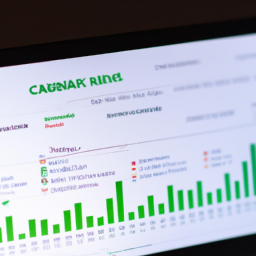
With Karma Construction CRM, data is at your fingertips. The platform provides valuable insights into project performance, resource utilization, and financial metrics. This data-driven approach allows managers to make informed decisions that enhance project success.
Customization for Local Needs
Every construction project is distinct, shaped by unique challenges and requirements. Local factors can significantly impact the project's outcome. Karma Construction CRM offers robust customization features that cater to these diverse needs, allowing users to tailor the platform to meet specific local demands. This adaptability ensures the tool remains relevant and highly effective in a particular region.
- Adaptation to local regulations to ensure compliance and efficiency.
- Customization for varying climate conditions to optimize project planning.
- Resource availability considerations to streamline operations.
- Integration with local suppliers for seamless procurement processes.
- Support for regional languages to enhance user engagement.
- Incorporation of local labor laws to ensure ethical practices.
- Tailoring reporting tools to meet regional compliance standards.
- Flexible scheduling options to accommodate local working hours.
- Customization of safety protocols to reflect local safety standards.
- Integration with regional financial systems for accurate budgeting.
- Tools for managing local subcontractors and vendors effectively.
- Customization of user interfaces to suit local preferences.
- Support for local currencies and financial regulations.
- Adaptation to local environmental guidelines and requirements.
- Customizable communication channels to suit local network capabilities.
- Localized customer service and support options.
- Flexible document management to comply with regional documentation practices.
- Real-time data analytics tailored to local market conditions.
- Integration with local mapping and GIS services for accurate site assessments.
- Adaptation to local technological infrastructure limitations.
- Custom alerts and notifications based on local events and holidays.
- Training modules tailored to local workforce skills and needs.
- Customization of access controls to meet regional security standards.
- Support for regional project management methodologies.
- Tools for assessing local market trends and demands.
- Customization of CRM dashboards to reflect local project priorities.
- Adaptation to local cultural practices and norms in project management.
- Integration with local transportation and logistics providers.
- Customization of feedback systems to gather local stakeholder input.
- Support for local sustainability and green building initiatives.
- Adaptation to local economic conditions and forecasts.
The CRM adapts to local regulations, climate conditions, and resource availability, providing users with the flexibility to optimize their operations. Project managers can ensure strategies are compliant and efficient, ultimately leading to successful project execution.
Integration with Existing Workflows
One of the standout features of Karma Construction CRM is its ability to integrate with existing tools and workflows. This ensures a seamless transition and minimizes disruption, allowing teams to continue working efficiently while benefiting from the CRM's advanced features.
Boosting Productivity with Automation
Automation is a transformative feature of Karma Construction CRM, designed to significantly enhance productivity. By streamlining and automating routine and repetitive tasks, the platform liberates team members from mundane activities. This allows them to dedicate their time and energy to more strategic and critical aspects of the project, such as planning, innovation, and problem-solving. As a result, overall efficiency and productivity are increased across the board. Automation not only minimizes human error but also ensures that tasks are completed consistently and accurately, further enhancing project outcomes. By leveraging the power of automation, teams can achieve more in less time, ultimately leading to successful project delivery and client satisfaction.
Improving Client Relationships
Maintaining strong client relationships is essential in construction. Karma Construction CRM helps manage client interactions, ensuring that communication is consistent and professional. This leads to higher client satisfaction and repeat business.
Ensuring Compliance and Risk Management
Compliance with regulations is a major concern in construction. Karma Construction CRM includes features that help manage compliance and mitigate risks, ensuring that projects adhere to legal requirements and industry standards.
Case Studies: Success Stories in Local Areas
Many construction companies have successfully implemented Karma Construction CRM in their local projects. These case studies highlight the tool's effectiveness in improving project outcomes, demonstrating its value as a critical component of a successful construction strategy.