The Diversity of Pakistani Culture
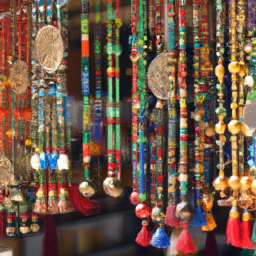
Pakistan's culture is a tapestry woven with threads from its ancient history, diverse ethnic groups, and rich traditions. The country is home to a variety of languages, with Urdu being the national language and English widely used in official settings. Each region has its own unique traditions, clothing, and festivals. The cultural diversity is most evident during national celebrations such as Eid, where the entire nation comes together in a colorful display of unity and joy.
The Majestic Landscapes of Pakistan
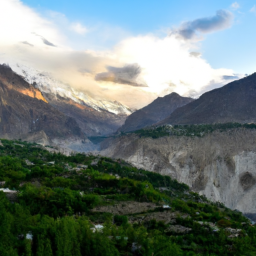
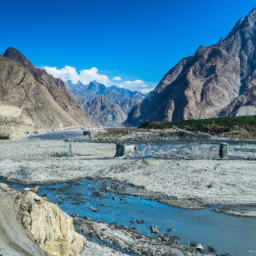
From the snow-capped peaks of the Himalayas and the Karakoram to the vast deserts of Thar, Pakistan's landscapes are as varied as they are beautiful. The northern areas, including Gilgit-Baltistan, are renowned for their stunning mountain scenery, attracting adventurers and nature lovers from around the world. In contrast, the southern regions offer lush green plains and fertile lands, contributing significantly to the country's agriculture.
Historical Sites and Monuments
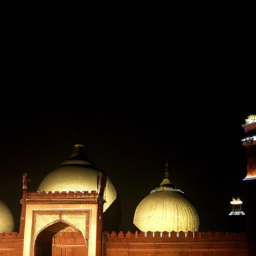
Pakistan is home to numerous historical sites that reflect its rich past. The ruins of Mohenjo-Daro and Harappa are remnants of the ancient Indus Valley Civilization, one of the world's earliest urban cultures. Lahore's Badshahi Mosque and the Lahore Fort are masterpieces of Mughal architecture, showcasing the grandeur of the Mughal era. These sites, among others, are a testament to the country's historical significance and architectural prowess.
The Cuisine of Pakistan
Pakistani cuisine is a delightful blend of flavors and spices, influenced by various regions and cultures. From the spicy curries of Punjab to the aromatic biryanis of Sindh, the food reflects the country's cultural diversity. Street food is an integral part of the culinary experience, with dishes like samosas, pakoras, and chaat being popular among locals and tourists alike. The use of spices such as cumin, coriander, and turmeric adds a distinct flavor to Pakistani dishes.
Art and Music in Pakistan
Art and music are integral to Pakistani culture, with a rich tradition of classical music, folk songs, and contemporary genres. The works of renowned artists like Abdur Rahman Chughtai and Sadequain have gained international recognition. Traditional music, including qawwali and ghazals, continues to be celebrated, while modern genres such as pop and rock are gaining popularity among the youth. Art galleries and music festivals across the country showcase the vibrant artistic scene.
The Role of Religion in Pakistani Society
Religion plays a significant role in shaping the cultural and social fabric of Pakistan. Islam is the dominant religion, influencing various aspects of daily life, including festivals, rituals, and social values. The country's constitution recognizes Islam as the state religion, and religious practices are deeply ingrained in the cultural identity of its people. However, Pakistan is also home to minority communities practicing Hinduism, Christianity, and other faiths, contributing to its religious diversity.
Modernization and Urbanization
In recent years, Pakistan has experienced significant urbanization and modernization. Major cities like Karachi, Lahore, and Islamabad are bustling with economic activity and development. The growth of the IT sector, infrastructure projects, and industrialization are driving the country's economic progress. Despite these advancements, traditional values and cultural heritage continue to play a vital role in the lives of Pakistanis, creating a unique blend of old and new.
Challenges Facing Pakistan
While Pakistan boasts a rich cultural heritage and natural beauty, it faces several challenges. Political instability, economic disparities, and security concerns have hindered its progress. Environmental issues, such as deforestation and pollution, threaten the country's natural landscapes. Efforts are being made to address these challenges through policy reforms, sustainable development initiatives, and international cooperation.
Tourism in Pakistan
Tourism is an emerging sector in Pakistan, with the potential to contribute significantly to the economy. The country's diverse landscapes, historical sites, and cultural festivals attract tourists from around the globe. Efforts to promote tourism include improving infrastructure, enhancing safety measures, and showcasing Pakistan's hospitality. The government and private sector are working together to create a welcoming environment for visitors, highlighting the country's unique offerings.
The Future of Pakistan
Looking ahead, Pakistan's future holds promise and potential. With a young and dynamic population, the country is poised for growth and development. Investments in education, technology, and infrastructure are crucial for realizing this potential. By embracing its cultural diversity and leveraging its natural resources, Pakistan can pave the way for a prosperous and sustainable future. The journey ahead requires collaboration, innovation, and a commitment to preserving the rich heritage that defines the nation.