
Introduction to Pakistan's Cultural Diversity
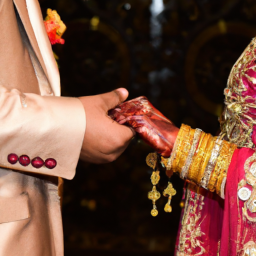
Pakistan is a melting pot of cultures, languages, and traditions. The country is home to numerous ethnic groups, each with its own unique customs and practices. From the Punjabis in the east to the Baloch in the west, the cultural diversity of Pakistan is both fascinating and enriching. The people of Pakistan are known for their hospitality and warmth, often welcoming visitors with open arms and a cup of traditional chai.
The cultural landscape of Pakistan is further enriched by its festivals and celebrations, which are an integral part of the society. Events such as Eid, Basant, and the Sindh Festival are celebrated with great enthusiasm and provide a glimpse into the vibrant culture of the country. Music and dance are also deeply rooted in Pakistani culture, with traditional forms like Qawwali and Bhangra being popular across the country.
Exploring the Historical Landmarks of Lahore
Lahore, the cultural capital of Pakistan, is a city steeped in history. It is home to some of the most iconic historical landmarks in the country, including the Lahore Fort and the Badshahi Mosque. These architectural marvels are a testament to the rich Mughal heritage of the region. The Lahore Museum, with its extensive collection of artifacts, offers a deeper insight into the history and culture of Pakistan.
Walking through the streets of the Walled City of Lahore is like taking a step back in time. The narrow alleys and bustling bazaars are filled with the aroma of traditional food and the sounds of local vendors. The Shahi Hammam and the Sheesh Mahal are other notable sites that reflect the grandeur of the Mughal era. Lahore's vibrant arts scene, with its numerous galleries and theaters, adds to the city's cultural allure.
The Natural Beauty of Northern Pakistan
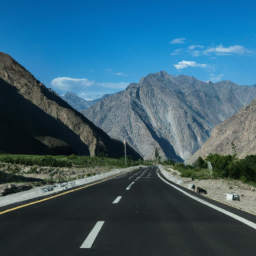
The northern regions of Pakistan are renowned for their stunning natural beauty. The majestic mountains of the Karakoram Range, including the famous K2, offer some of the world's best trekking and mountaineering experiences. The lush green valleys of Hunza and Swat are perfect for those seeking tranquility and natural beauty. These areas are also rich in biodiversity, with a variety of flora and fauna unique to the region.
Visitors to northern Pakistan can explore the fairy-tale landscapes of Fairy Meadows, or take a scenic drive along the Karakoram Highway, one of the highest paved roads in the world. The region is also home to several beautiful lakes, such as Lake Saif-ul-Malook and Attabad Lake, which offer opportunities for boating and fishing. The cultural heritage of the northern areas is equally captivating, with ancient rock carvings and historical forts scattered across the region.
The Vibrant Culture of Sindh
Sindh, located in the southern part of Pakistan, is known for its rich cultural heritage and vibrant traditions. The province is famous for its traditional Sindhi music and dance, which are an integral part of local festivals and celebrations. The city of Karachi, the largest city in Pakistan, is a bustling metropolis that offers a mix of modernity and tradition. It is home to numerous cultural institutions, including the National Museum of Pakistan and the Karachi Arts Council.
The historical city of Thatta, with its ancient necropolis of Makli and the Shah Jahan Mosque, is a UNESCO World Heritage Site that attracts history enthusiasts from around the world. The annual Sindh Festival, held in various locations across the province, showcases the rich cultural heritage of Sindh through music, dance, and art. The traditional handicrafts of Sindh, such as Ajrak and Sindhi embroidery, are renowned for their intricate designs and vibrant colors.
Culinary Delights Across Pakistan
Pakistan's culinary scene is as diverse as its culture. Each region of the country offers its own unique flavors and dishes, reflecting the local traditions and ingredients. In Punjab, the cuisine is characterized by its rich and spicy flavors, with dishes like Nihari and Butter Chicken being popular favorites. The street food of Lahore, including Golgappa and Chana Chaat, is a must-try for any visitor.
In Sindh, the cuisine is influenced by the coastal location, with seafood being a prominent feature. Sindhi Biryani and Sai Bhaji are popular dishes that showcase the flavors of the region. The northern areas offer a different culinary experience, with dishes like Chapli Kebab and Dum Pukht reflecting the influence of Central Asian cuisine. The traditional sweets of Pakistan, such as Gulab Jamun and Jalebi, are enjoyed across the country and are often served at festive occasions.
The Artistic Heritage of Pakistan
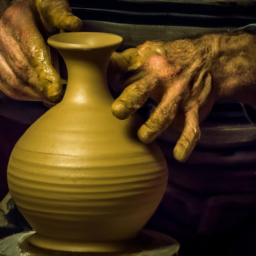
Pakistan has a rich artistic heritage that is reflected in its traditional crafts and contemporary art scene. The country is known for its intricate textiles and embroidery, with regions like Punjab and Sindh being famous for their unique styles. The art of pottery and ceramics is also an important part of Pakistan's cultural heritage, with cities like Multan and Hala being renowned for their beautiful blue pottery.
The contemporary art scene in Pakistan is vibrant and diverse, with artists exploring a range of themes and mediums. The National College of Arts in Lahore is a leading institution that has produced many of the country's prominent artists. Art galleries and exhibitions are held regularly in major cities, showcasing the talent and creativity of Pakistani artists. The miniature painting tradition, which dates back to the Mughal era, continues to thrive in Pakistan, with artists creating intricate and detailed works that are highly sought after.
Discovering the Hidden Gems of Balochistan
Balochistan, the largest province of Pakistan, is a land of rugged beauty and hidden gems. The province is known for its stunning landscapes, including the dramatic cliffs of the Hingol National Park and the serene beaches of Gwadar. The unique geological formations of the region, such as the Princess of Hope and the Sphinx, are natural wonders that attract visitors from around the world.
The cultural heritage of Balochistan is equally fascinating, with a rich tradition of music and dance that is an integral part of local celebrations. The traditional Balochi dress, with its vibrant colors and intricate embroidery, is a reflection of the artistic skills of the local people. The province is also home to several historical sites, including the ancient city of Mehrgarh, which provides insights into the early civilization of the region.
The Role of Religion in Pakistani Culture
Religion plays a significant role in the culture and daily life of Pakistan. The country is predominantly Muslim, with Islam being the state religion. Religious festivals and events, such as Ramadan and Eid, are celebrated with great fervor across the country. These occasions bring families and communities together, fostering a sense of unity and belonging.
The architectural heritage of Pakistan is deeply influenced by Islamic art and design, with mosques and shrines being prominent features of the landscape. The Faisal Mosque in Islamabad, with its modern design and stunning location, is one of the largest mosques in the world and a symbol of Pakistan's Islamic heritage. The country is also home to several important religious sites for other faiths, including the Katas Raj Temples and the Gurdwara Panja Sahib.
Preserving Pakistan's Cultural Heritage
Efforts to preserve and promote Pakistan's cultural heritage are ongoing, with various organizations and institutions working towards this goal. The Pakistan National Council of the Arts plays a key role in promoting the arts and culture of the country, organizing events and exhibitions that showcase the diverse cultural landscape of Pakistan. The preservation of historical sites and monuments is also a priority, with initiatives aimed at restoring and maintaining these important cultural assets.
Education and awareness programs are essential for fostering an appreciation of Pakistan's cultural heritage among the younger generation. Schools and universities across the country offer courses in history, art, and culture, providing students with a deeper understanding of their heritage. The role of the media is also crucial in promoting cultural awareness, with television programs and documentaries highlighting the rich cultural traditions of Pakistan.
Conclusion: Embracing the Diversity of Pakistan
Pakistan is a country of immense cultural richness and diversity, offering a unique blend of history, tradition, and modernity. From the bustling cities to the tranquil countryside, there is much to explore and discover in this fascinating country. By embracing its cultural diversity and preserving its heritage, Pakistan continues to be a vibrant and dynamic nation that captivates visitors from around the world.
As we look to the future, it is important to celebrate and promote the cultural heritage of Pakistan, ensuring that it remains a source of pride and inspiration for generations to come. Whether you are a history enthusiast, a nature lover, or a culinary adventurer, Pakistan offers a wealth of experiences and discoveries that will leave a lasting impression.