The Majestic Mountains of Northern Pakistan
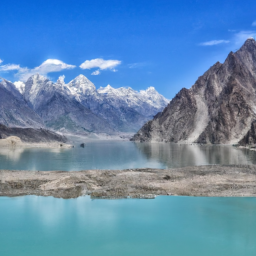
Northern Pakistan is home to a stunning array of towering peaks, with K2 standing majestically as the second-highest mountain on Earth. This region is a paradise for adventure enthusiasts, particularly trekkers and mountaineers, offering thrilling trails and breathtaking vistas. The Karakoram Highway, an engineering marvel often referred to as the 'Eighth Wonder of the World,' winds through these imposing mountains, providing access to remote valleys and charming villages. One of the many gems here is the Hunza Valley, renowned for its vibrant autumn colors and the hospitality of its local communities. Enhancing Northern Pakistan's allure is its rich cultural tapestry, interwoven with ancient fortresses and Buddhist relics that adorn the scenic landscape. As visitors explore this magical region, they experience a harmonious blend of natural beauty and historical depth, making it a destination that captivates both the heart and the mind.
The Vibrant Culture of Lahore
Lahore, the cultural heart of Pakistan, is a city that never sleeps. Known for its vibrant arts scene, historic architecture, and delicious street food, Lahore offers a sensory overload for visitors. The Lahore Fort and the Badshahi Mosque are iconic landmarks that reflect the city's Mughal heritage. Meanwhile, the bustling streets of the old city are lined with shops selling traditional crafts, fabrics, and jewelry. Lahore is also famous for its festivals, such as Basant, which celebrates the arrival of spring with kite flying and music. The city's culinary scene is equally impressive, with a plethora of restaurants and food stalls serving everything from spicy curries to sweet desserts.
Exploring the Deserts of Sindh
The province of Sindh is home to the Thar Desert, a vast expanse of sand dunes and arid landscapes. Despite its harsh environment, the desert is inhabited by resilient communities who have adapted to the challenging conditions. Visitors can experience the unique culture of the Thari people, known for their colorful clothing and traditional music. The desert is also home to a variety of wildlife, including peacocks and desert foxes. In addition to its natural attractions, Sindh boasts several historical sites, such as the ancient city of Mohenjo-Daro, a UNESCO World Heritage Site that offers insights into the Indus Valley Civilization.
The Enchanting Valleys of Khyber Pakhtunkhwa
Khyber Pakhtunkhwa, located in the northwest of Pakistan, is known for its lush green valleys and picturesque landscapes. The Swat Valley, often referred to as the 'Switzerland of the East,' is a popular destination for tourists seeking natural beauty and tranquility. The valley is dotted with clear blue rivers, dense forests, and snow-capped mountains. It is also home to several archaeological sites, including the remains of Buddhist stupas and monasteries. The people of Khyber Pakhtunkhwa are known for their hospitality and strong cultural traditions, making it a welcoming place for travelers.
The Rich Tapestry of Pakistani Cuisine
Pakistani cuisine is a delightful blend of flavors and aromas, influenced by the country's diverse cultural heritage. Each region has its own specialties, from the spicy curries of Punjab to the aromatic rice dishes of Sindh. Street food is an integral part of Pakistani culture, with vendors offering a variety of snacks such as samosas, chaat, and kebabs. Tea, or 'chai,' is a staple beverage, often enjoyed with sweets like jalebi and gulab jamun. Dining in Pakistan is not just about the food; it's an experience that brings people together, reflecting the country's emphasis on hospitality and community.
The Historical Treasures of Pakistan
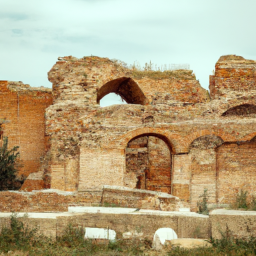
Pakistan is home to a wealth of historical sites that offer a glimpse into its rich past. The ancient city of Taxila, once a center of learning and culture, features ruins that date back to the Gandhara civilization. The Lahore Museum houses an impressive collection of artifacts, including Buddhist sculptures and Mughal paintings. In the south, the Makli Necropolis is one of the largest graveyards in the world, with elaborately carved tombs that showcase the region's artistic heritage. These sites, along with many others, highlight the diverse influences that have shaped Pakistan's history and culture.
The Diverse Wildlife of Pakistan
Pakistan's varied landscapes are home to a wide range of wildlife, from the snow leopards of the northern mountains to the dolphins of the Indus River. The country's national parks and wildlife reserves offer opportunities for wildlife enthusiasts to observe these animals in their natural habitats. The Khunjerab National Park, located near the border with China, is a sanctuary for endangered species such as the Marco Polo sheep and the Himalayan ibex. Meanwhile, the Hingol National Park in Balochistan is known for its unique rock formations and diverse marine life. Conservation efforts are underway to protect Pakistan's natural heritage and ensure the survival of its wildlife.
The Art and Craft of Pakistan
Pakistan has a rich tradition of arts and crafts, with each region offering its own unique contributions. The intricate embroidery of Sindh, the vibrant truck art of Punjab, and the delicate pottery of Khyber Pakhtunkhwa are just a few examples of the country's artistic diversity. These crafts are often passed down through generations, preserving traditional techniques and designs. In recent years, there has been a growing interest in promoting Pakistani art on the international stage, with exhibitions and festivals showcasing the work of local artists and artisans. This cultural exchange not only highlights the talent and creativity of Pakistani artists but also fosters greater understanding and appreciation of the country's cultural heritage.
The Spiritual Heritage of Pakistan
Pakistan is a land of diverse religious traditions, with a history that encompasses Buddhism, Hinduism, and Islam. The country's spiritual heritage is reflected in its many religious sites, from the ancient Buddhist monasteries of the north to the Sufi shrines of the south. The city of Multan, known as the 'City of Saints,' is home to numerous tombs and shrines dedicated to Sufi mystics, attracting pilgrims from across the country. These sites are not only places of worship but also centers of cultural and social activity, where visitors can experience the spiritual and communal aspects of Pakistani life.
The Future of Tourism in Pakistan
With its rich cultural heritage and stunning natural landscapes, Pakistan has the potential to become a major tourist destination. Efforts are being made to improve infrastructure and promote sustainable tourism practices, ensuring that visitors can enjoy the country's attractions while minimizing their impact on the environment and local communities. Initiatives such as community-based tourism and eco-friendly accommodations are gaining traction, offering travelers unique and authentic experiences. As more people discover the beauty and diversity of Pakistan, the country's tourism industry is poised for growth, providing opportunities for economic development and cultural exchange.