
Understanding CRM Basics
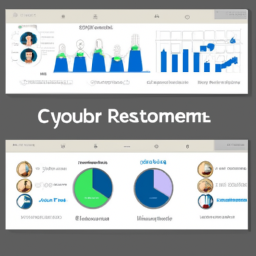
Customer Relationship Management (CRM) systems are designed to streamline processes and provide businesses with insights into customer interactions. They help manage customer data, track sales, and improve customer service. A CRM system can automate tasks, provide analytical insights, and enhance communication within an organization. Understanding the basic functionalities of CRM systems is the first step in choosing the right one for your business.
Assessing Your Business Needs
Before selecting a CRM, it is crucial to assess the specific needs of your business. Consider the size of your company, the industry you operate in, and the primary objectives you aim to achieve with a CRM. For instance, a small business may prioritize cost-effectiveness, while a large enterprise might focus on scalability and advanced analytics. Identifying these needs will guide you in narrowing down your options.
Exploring CRM Features
Modern CRM systems come with a wide range of features, from basic contact management to advanced analytics and AI-driven insights. Evaluate the features offered by different CRM platforms and determine which ones align with your business goals. Key features to consider include lead management, sales forecasting, marketing automation, and customer service tools. Understanding these features will help you choose a CRM that enhances your business operations.
Integration and Scalability
Integration capabilities and scalability are essential factors when selecting a CRM. Ensure that the CRM system you choose can integrate with your existing software, such as email platforms, social media, and accounting tools. Additionally, consider the scalability of the CRM to accommodate business growth. A scalable CRM will support your business as it expands, preventing the need for frequent system changes.
User Experience and Customer Support
The user experience of a CRM system can significantly impact its effectiveness. A user-friendly interface ensures that your team can easily navigate the system and utilize its features. Additionally, robust customer support from the CRM provider can resolve any issues that arise, minimizing downtime and maintaining productivity. Evaluate user reviews and support options when choosing a CRM.
Pricing Models and ROI
CRM systems come with various pricing models, including subscription-based, one-time purchase, and freemium options. Analyze the pricing structure of each CRM and consider the long-term return on investment (ROI). While some CRMs may have a higher upfront cost, they might offer better value through advanced features and improved efficiency. Weigh the costs against the benefits to make an informed decision.
Security and Privacy
Data security and privacy are critical considerations when selecting a CRM. Ensure that the CRM system complies with relevant regulations, such as GDPR or CCPA, and offers robust security measures to protect sensitive customer information. Look for features like data encryption, access controls, and regular security audits to safeguard your data.
Customization and Flexibility
Every business has unique requirements, and a customizable CRM can adapt to these needs. Look for CRM platforms that offer flexibility in terms of customization, allowing you to tailor the system to your specific processes and workflows. Customization can enhance the CRM's effectiveness and ensure it aligns with your business strategy.
Vendor Reputation and Reviews
Researching the reputation of CRM vendors can provide valuable insights into the quality and reliability of their products. Look for reviews and testimonials from other businesses in your industry to gauge their experiences with the CRM. A reputable vendor with positive feedback is more likely to offer a dependable and effective CRM solution.
Trial and Implementation
Many CRM vendors offer free trials or demos, allowing you to test the system before committing. Take advantage of these opportunities to evaluate the CRM's functionality and ease of use. During the trial period, involve key stakeholders and gather feedback to ensure the CRM meets your business needs. A smooth implementation process will set the foundation for successful CRM adoption.