
Introduction to Architectural Design
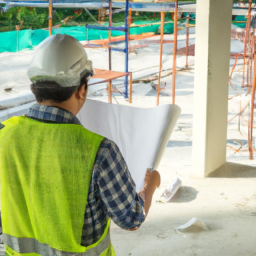
Architectural design is the starting point of any construction project. It involves creating detailed plans and blueprints that guide the entire building process. Architects must consider aesthetics, functionality, and compliance with building codes. This stage often requires collaboration with engineers and other specialists to ensure the design is feasible and sustainable. The use of advanced software tools has revolutionized architectural design, allowing for more precise and innovative structures.
Site Preparation and Foundation Work
Before construction can begin, the site must be prepared. This involves clearing the land, conducting soil tests, and laying the groundwork for the foundation. A strong foundation is essential for the stability and longevity of the building. Engineers must carefully plan the type and depth of the foundation based on the soil conditions and the building's design. This phase is critical and requires meticulous attention to detail to avoid future structural issues.
The Role of Project Management
Project management is a vital component of construction, ensuring that projects are completed on time and within budget. Effective project managers coordinate between various teams, manage resources, and mitigate risks. They use project management software to track progress and communicate with stakeholders. The ability to adapt to unexpected challenges and changes is a key skill for project managers, as construction projects are often dynamic and complex.
Sustainability in Construction
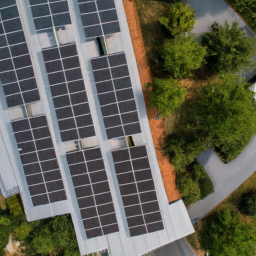
Sustainability has become a major focus in the construction industry. Green building practices aim to reduce environmental impact and improve energy efficiency. This includes using sustainable materials, minimizing waste, and incorporating renewable energy sources. Certifications like LEED (Leadership in Energy and Environmental Design) are becoming increasingly important as clients and governments prioritize eco-friendly construction. Sustainable construction not only benefits the environment but can also lead to cost savings over the building's lifecycle.
Innovations in Construction Technology
Technological advancements are transforming the construction industry. From 3D printing to drones and Building Information Modeling (BIM), these innovations enhance efficiency and accuracy. 3D printing allows for rapid prototyping and the creation of complex structures with minimal waste. Drones provide aerial site surveys and inspections, improving safety and reducing costs. BIM offers a digital representation of the physical and functional characteristics of a building, facilitating better collaboration and decision-making.
Importance of Safety Protocols
Safety is paramount in construction, where workers face numerous hazards. Implementing strict safety protocols and training programs is essential to prevent accidents and injuries. Personal protective equipment (PPE), regular safety audits, and compliance with Occupational Safety and Health Administration (OSHA) standards are critical components of a comprehensive safety strategy. A strong safety culture not only protects workers but also enhances productivity and reduces liability.
Regulations and Compliance
Construction projects must comply with a myriad of regulations and codes. These include zoning laws, building codes, and environmental regulations. Navigating these legal requirements can be challenging, but it's essential to avoid fines, delays, and legal disputes. Staying informed about changes in regulations and working closely with legal experts can help ensure compliance. Understanding the regulatory landscape is crucial for successful project execution and long-term viability.
Managing Construction Costs
Cost management is a significant concern in construction. Accurate budgeting and cost estimation are critical to prevent overruns. This involves detailed planning and the use of cost management software to track expenses and forecast future costs. Value engineering can also be employed to optimize resources and reduce costs without compromising quality. Effective cost control contributes to the financial success of construction projects.
The Future of Construction
The future of construction is shaped by emerging trends and challenges. Urbanization, climate change, and technological advancements are driving the evolution of the industry. Modular construction, smart buildings, and the integration of the Internet of Things (IoT) are some of the trends that are expected to gain traction. The industry must also address labor shortages and the need for skilled workers. Embracing change and innovation will be key to staying competitive in the future construction landscape.
Conclusion
Mastering construction requires a comprehensive understanding of various elements, from design to execution. The industry is continually evolving, driven by technological advancements and a growing emphasis on sustainability. By staying informed and adopting best practices, construction professionals can successfully navigate the complexities of the industry and contribute to the creation of safe, efficient, and sustainable built environments.