Introduction to Home Electrical Systems
Home electrical systems are complex networks that provide power to every part of your house. Understanding the basics can help you manage your energy use, troubleshoot issues, and ensure safety. This section covers the essential components, including the main service panel, circuits, and wiring.
Components of an Electrical System
The main components of a home's electrical system include the service panel, circuit breakers, wiring, and outlets. Each plays a crucial role in delivering electricity safely and efficiently throughout your home. Regular inspection and maintenance can prevent common issues such as tripped breakers and faulty wiring.
Understanding Circuit Breakers
Circuit breakers are critical for protecting your home from electrical overloads. They automatically cut off power when a circuit is overloaded, preventing potential fires. Homeowners should know how to reset breakers and identify signs of wear or failure.
Common Electrical Problems and Solutions
Many electrical issues can arise in a home, from flickering lights to power surges. Understanding these problems and their solutions can save time and money. For instance, flickering lights may indicate a loose connection, while frequent power surges could suggest a need for a whole-house surge protector.
Electrical Safety Tips
Safety is paramount when dealing with electricity. Homeowners should be aware of basic safety practices, such as not overloading outlets, using the right wattage for light fixtures, and keeping electrical devices away from water. Installing smoke detectors and GFCI outlets in key areas can also enhance safety.
Energy-Efficient Upgrades
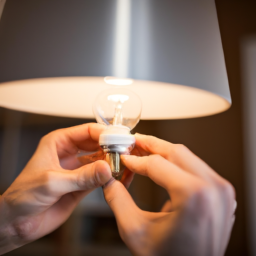
Upgrading to energy-efficient appliances and lighting can significantly reduce energy consumption and lower utility bills. Consider replacing incandescent bulbs with LEDs and installing smart thermostats to optimize energy use. These upgrades not only save money but also contribute to environmental sustainability.
DIY Electrical Projects
While some electrical projects are best left to professionals, there are simple tasks that homeowners can safely undertake. Installing dimmer switches or replacing outlet covers are examples of DIY projects that can enhance your home's functionality and aesthetics.
When to Call a Professional
Knowing when to hire a professional electrician is crucial. Complex issues like rewiring, installing new circuits, or troubleshooting persistent problems should always be handled by a licensed electrician. This ensures the work is done safely and complies with local codes.
Understanding Electrical Codes
Electrical codes are designed to ensure safety and reliability in electrical installations. Homeowners should familiarize themselves with basic code requirements, especially when planning renovations or new installations. Compliance with these codes is not only a legal requirement but also a key safety measure.
Future Trends in Home Electrical Systems
The future of home electrical systems is leaning towards smart technology and renewable energy integration. Innovations like smart grids, home automation, and solar panel installations are becoming more common, offering increased efficiency and control for homeowners.