Introduction to Plumbing Walls
Plumbing walls are an essential component of any residential structure, serving as the backbone for water supply and waste management systems. These walls house a complex network of pipes and fixtures that ensure the efficient distribution and disposal of water. Understanding the layout and components of plumbing walls can help homeowners in maintenance and renovation projects, ultimately leading to a more efficient and reliable plumbing system.
Types of Pipes Used in Plumbing Walls
There are several types of pipes commonly used in plumbing walls, each with its unique properties and applications. Copper pipes are renowned for their durability and resistance to corrosion, making them a popular choice for water supply lines. PVC pipes, on the other hand, are lightweight and easy to install, often used in drainage systems. PEX pipes have gained popularity due to their flexibility and resistance to freezing, ideal for both hot and cold water supply. Understanding the characteristics and applications of each pipe type can aid in selecting the right material for specific plumbing needs.
Common Plumbing Issues and Solutions
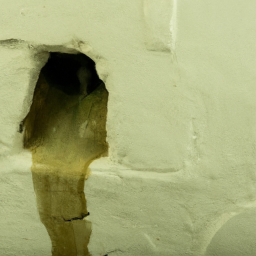
Plumbing walls can encounter a range of issues, from leaks to blockages. Leaky pipes are often caused by corrosion or poor connections, leading to water damage and increased utility bills. Blockages, typically resulting from debris buildup or improper pipe installation, can cause slow drainage and unpleasant odors. Regular maintenance, such as inspecting for leaks and cleaning out drains, can prevent these issues. In cases of severe problems, professional plumbing services may be required to ensure proper repair and restoration.
The Importance of Insulation and Sealing
Proper insulation and sealing of plumbing walls are critical for maintaining energy efficiency and preventing water damage. Insulation helps to maintain the temperature of water within the pipes, reducing energy consumption and preventing freezing in colder climates. Sealing, on the other hand, prevents water from seeping into walls and causing structural damage. Homeowners should ensure that all pipes are adequately insulated and that any gaps or cracks in plumbing walls are sealed to protect their home from potential damage.
Modern Plumbing Innovations
Advancements in plumbing technology have introduced a range of innovations that enhance the functionality and efficiency of plumbing systems. Smart plumbing systems, for instance, allow homeowners to monitor and control water usage remotely, leading to significant water and cost savings. Tankless water heaters provide on-demand hot water without the need for a storage tank, offering energy efficiency and space-saving benefits. By staying informed about the latest plumbing innovations, homeowners can make informed decisions when upgrading or renovating their plumbing systems.
Safety and Compliance Standards
Adhering to safety and compliance standards is crucial when installing or modifying plumbing systems. Building codes and regulations ensure that plumbing installations are safe, efficient, and environmentally friendly. Homeowners should familiarize themselves with local plumbing codes and work with licensed professionals to ensure that all plumbing work complies with these standards. This not only ensures the safety of the home's occupants but also protects the homeowner from potential legal and financial liabilities.
DIY Plumbing: What Homeowners Can Do
While some plumbing tasks require professional expertise, there are several maintenance and repair tasks that homeowners can undertake themselves. Simple tasks such as fixing a leaky faucet, unclogging a drain, or replacing a showerhead can be done with basic tools and a little know-how. Homeowners should educate themselves on the basics of plumbing and invest in a reliable toolkit to handle minor repairs and maintenance tasks. However, for more complex issues, it is advisable to seek professional assistance to avoid causing further damage.
Choosing the Right Plumbing Contractor
When it comes to major plumbing installations or repairs, selecting a qualified plumbing contractor is essential. Homeowners should look for licensed and insured contractors with a proven track record of quality work. Obtaining quotes from multiple contractors and checking references can help in making an informed decision. A reliable contractor will not only ensure that the plumbing work is done correctly but also provide valuable advice on maintaining the plumbing system and preventing future issues.
Environmental Considerations in Plumbing
Environmental sustainability is becoming increasingly important in the field of plumbing. Homeowners can contribute to environmental conservation by opting for water-efficient fixtures and appliances, such as low-flow toilets and faucets. Additionally, implementing rainwater harvesting systems and greywater recycling can significantly reduce water consumption. By adopting environmentally friendly plumbing practices, homeowners can reduce their ecological footprint and contribute to the preservation of natural resources.
Future Trends in Plumbing Technology
The plumbing industry is continuously evolving, with new technologies and trends shaping the future of plumbing systems. Innovations such as 3D printing of plumbing components, advanced leak detection systems, and the integration of plumbing systems with smart home technology are set to revolutionize the industry. Homeowners should stay informed about these emerging trends to take advantage of new technologies that can enhance the efficiency and functionality of their plumbing systems.