Introduction to Graphic Design
Graphic design is an ever-evolving field that combines art and technology to communicate ideas. It involves the use of typography, imagery, color, and layout to create visual compositions. As technology advances, the tools and techniques available to graphic designers have become more sophisticated, allowing for greater creativity and innovation. This introduction will set the stage for your journey into the world of graphic design, highlighting the importance of foundational skills and the potential for creative expression.
Core Principles of Design
The core principles of graphic design include balance, contrast, alignment, repetition, and proximity. These principles guide the arrangement of elements in a composition, ensuring that the design is aesthetically pleasing and effectively communicates the intended message. Understanding these principles is essential for any aspiring graphic designer, as they form the foundation upon which all successful designs are built. Through this course, you will learn how to apply these principles in your work, enhancing your ability to create impactful designs.
Typography: The Art of Type
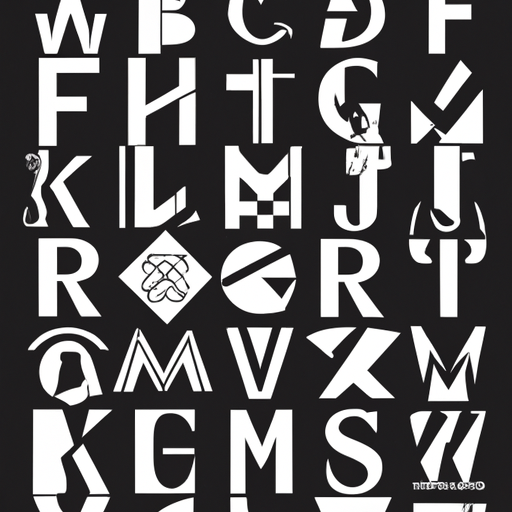
Typography is a critical component of graphic design, as it involves the selection and arrangement of typefaces to convey a message. Good typography enhances readability and visual appeal, while poor typography can detract from the overall design. In this section, we will explore the history of typography, the anatomy of typefaces, and the principles of typographic hierarchy. You will learn how to choose the right typefaces for your projects and how to use typography to create emphasis and visual interest.
Color Theory and Application
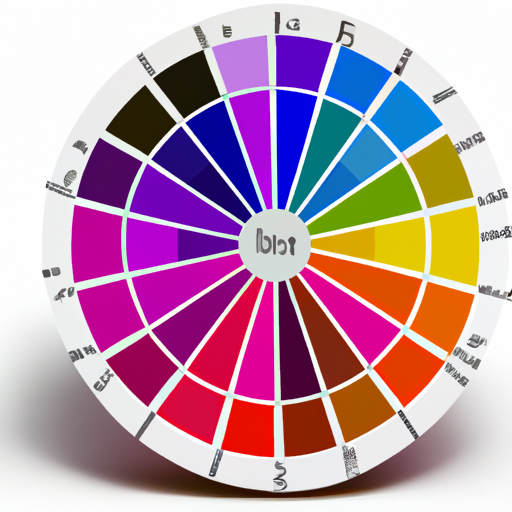
Color is a powerful tool in graphic design, capable of evoking emotions and influencing perceptions. Understanding color theory is essential for creating harmonious and effective designs. This section will cover the basics of color theory, including the color wheel, color harmonies, and the psychological effects of color. You will learn how to use color to create mood, direct attention, and reinforce brand identity. By the end of this module, you will have the skills to make informed color choices in your designs.
Mastering Design Software
Proficiency in design software is a crucial skill for any graphic designer. This course will introduce you to industry-standard tools such as Adobe Photoshop, Illustrator, and InDesign. You will learn how to use these programs to create and edit digital graphics, layouts, and illustrations. Through hands-on exercises and projects, you will develop the technical skills needed to bring your creative visions to life. Whether you are creating a logo, a poster, or a digital illustration, mastering design software is key to your success as a graphic designer.
Developing a Unique Design Style
Every designer has a unique style that sets their work apart. Developing your style involves experimenting with different techniques, mediums, and ideas. In this section, we will explore various design styles and movements, from minimalism to maximalism, and discuss how to find inspiration and cultivate your aesthetic. You will learn how to create a cohesive portfolio that showcases your unique style and attracts potential clients or employers. By embracing your individuality, you can create designs that are not only visually striking but also personally meaningful.
Visual Storytelling: Communicating Through Design
Graphic design is a form of visual storytelling, where images and text come together to convey a narrative. Effective visual storytelling engages the audience and communicates the intended message clearly and creatively. This section will explore the elements of storytelling in design, including composition, imagery, and narrative structure. You will learn how to create compelling visual stories that resonate with your audience and leave a lasting impression. By mastering the art of visual storytelling, you can elevate your designs and connect with viewers on a deeper level.
Building a Portfolio and Career in Graphic Design
A strong portfolio is essential for showcasing your skills and attracting potential clients or employers. This section will guide you through the process of building a professional portfolio that highlights your best work and demonstrates your range as a designer. You will learn how to curate your portfolio, present your work effectively, and market yourself in the competitive field of graphic design. Additionally, we will explore various career paths in graphic design, from freelance work to agency positions, and discuss how to navigate the job market successfully.
Exploring Graphic Design Specializations
Graphic design is a diverse field with many specializations, including branding, web design, packaging, and illustration. This section will introduce you to the various areas of graphic design and help you identify which specialization aligns with your interests and strengths. You will learn about the unique challenges and opportunities within each specialization and how to develop the skills needed to excel in your chosen area. By exploring different specializations, you can find your niche and pursue a fulfilling career in graphic design.
The Future of Graphic Design
The future of graphic design is shaped by technological advancements and changing consumer preferences. As new tools and platforms emerge, designers must adapt to stay relevant in the industry. This section will explore the latest trends and innovations in graphic design, from augmented reality to sustainable design practices. You will learn how to stay ahead of the curve and embrace new opportunities in the ever-evolving world of design. By staying informed and adaptable, you can ensure a successful and dynamic career in graphic design.