Introduction to Carpentry
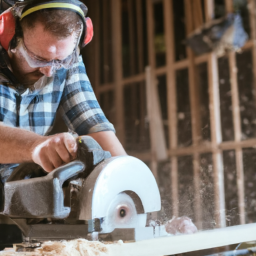
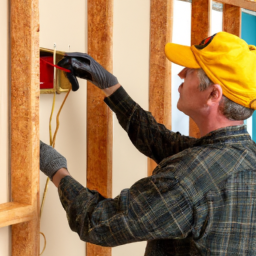
Carpentry is a foundational skill in the construction industry, requiring precision and an eye for detail. From framing to finishing, a carpenter must understand the properties of different woods and how they interact with other materials. This knowledge is not only vital for structural integrity but also for aesthetic appeal. A successful carpenter must also be proficient with various tools and techniques, adapting to new technologies and methods as they emerge. Whether you're building a house or crafting custom furniture, the principles of carpentry remain the same: measure twice, cut once, and always prioritize safety.
Fundamentals of Insulation
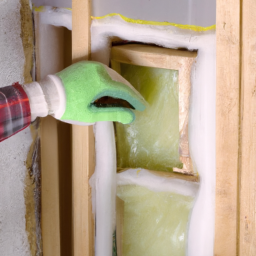
Insulation is critical for maintaining energy efficiency and comfort in buildings. It acts as a barrier to heat flow, keeping homes warm in the winter and cool in the summer. There are several types of insulation, including fiberglass, foam, and cellulose, each with its own advantages and applications. Proper installation is key to maximizing effectiveness, as gaps or compression can significantly reduce performance. Understanding R-values, which measure thermal resistance, helps in selecting the right insulation for each specific need. Additionally, advancements in sustainable materials are making insulation more environmentally friendly.
Advanced Soundproofing Techniques
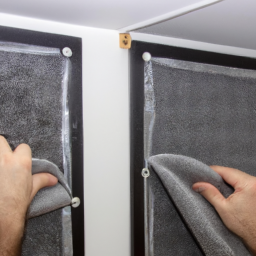
Soundproofing is essential in both residential and commercial settings to reduce unwanted noise and create a peaceful environment. Techniques such as adding mass, damping, decoupling, and filling air gaps are effective ways to block and absorb sound. Materials like acoustic panels, soundproof drywall, and specialized windows play a significant role in soundproofing. It's important to assess the specific noise challenges of a space before implementing solutions. With the right approach, soundproofing can significantly enhance the quality of life by minimizing disturbances from external and internal sources.
Choosing the Right Materials
The selection of materials is a crucial aspect of any construction project. For carpentry, the choice of wood can affect the durability and appearance of the final product. Insulation materials must be chosen based on their thermal performance and environmental impact. Soundproofing materials need to be effective at specific frequencies. It's important to consider factors such as cost, availability, and sustainability when selecting materials. Advances in technology have introduced new materials that offer improved performance and environmental benefits, making it essential to stay informed about the latest developments.
Tools and Equipment for Carpentry
Having the right tools is essential for any carpenter. Basic tools include hammers, saws, and measuring tapes, but advanced projects may require power tools like drills, routers, and sanders. Safety equipment, such as goggles and gloves, is also crucial to prevent injuries. Keeping tools well-maintained ensures they function properly and last longer. Investing in high-quality tools can save time and money in the long run, as they are more reliable and efficient. It's also important to stay updated on new tools and technologies that can improve productivity and precision.
Insulation Installation Best Practices
Proper installation of insulation is key to its effectiveness. This involves ensuring complete coverage without gaps or compression, which can reduce its thermal performance. It's also important to consider ventilation, as improper insulation can lead to moisture buildup and mold growth. Different types of insulation require different installation techniques, so it's important to follow manufacturer guidelines and industry standards. Regular inspections and maintenance can help identify and address any issues before they become major problems. By following best practices, you can ensure that your insulation performs optimally and lasts for many years.
Soundproofing in Modern Architecture
Modern architecture often incorporates soundproofing as a standard feature, especially in urban environments where noise pollution is a concern. Innovative designs and materials are used to create spaces that are both aesthetically pleasing and acoustically balanced. This includes the use of soundproof windows, doors, and walls, as well as strategic placement of rooms and spaces to minimize noise transmission. Architects and builders must work together to integrate soundproofing solutions into the overall design, considering factors such as building codes and budget constraints. The result is a more comfortable and enjoyable living or working environment.
Environmental Considerations in Construction
Sustainability is becoming increasingly important in the construction industry. This involves using materials and methods that minimize environmental impact, such as recycled or renewable resources. Energy-efficient designs and technologies, like solar panels and green roofs, are also being integrated into modern buildings. Insulation and soundproofing play a significant role in reducing energy consumption and improving indoor air quality. By prioritizing environmental considerations, builders can create structures that are not only efficient and comfortable but also sustainable and responsible. This approach benefits both the environment and the occupants of the building.
The Future of Carpentry and Insulation
The fields of carpentry and insulation are constantly evolving, with new technologies and techniques emerging regularly. Trends such as automation and digital fabrication are changing the way carpenters work, allowing for greater precision and efficiency. In insulation, advancements in materials science are leading to products that offer better performance and sustainability. Staying informed about these developments is crucial for professionals in the industry, as it allows them to remain competitive and provide the best solutions for their clients. The future of carpentry and insulation is bright, with endless possibilities for innovation and improvement.
Conclusion: Mastering the Art
Mastering carpentry, insulation, and soundproofing requires a combination of knowledge, skill, and adaptability. By understanding the principles and techniques of each discipline, professionals can create superior mechanical solutions that meet the needs of their clients. Continuous learning and improvement are essential, as the industry is always changing. By embracing new technologies and methods, carpenters and builders can stay at the forefront of their field and provide exceptional results. Whether you're a seasoned professional or just starting out, there is always something new to learn and explore in the world of construction.